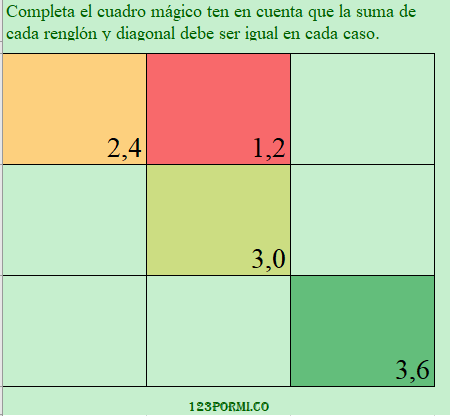
Cuadro Mágico
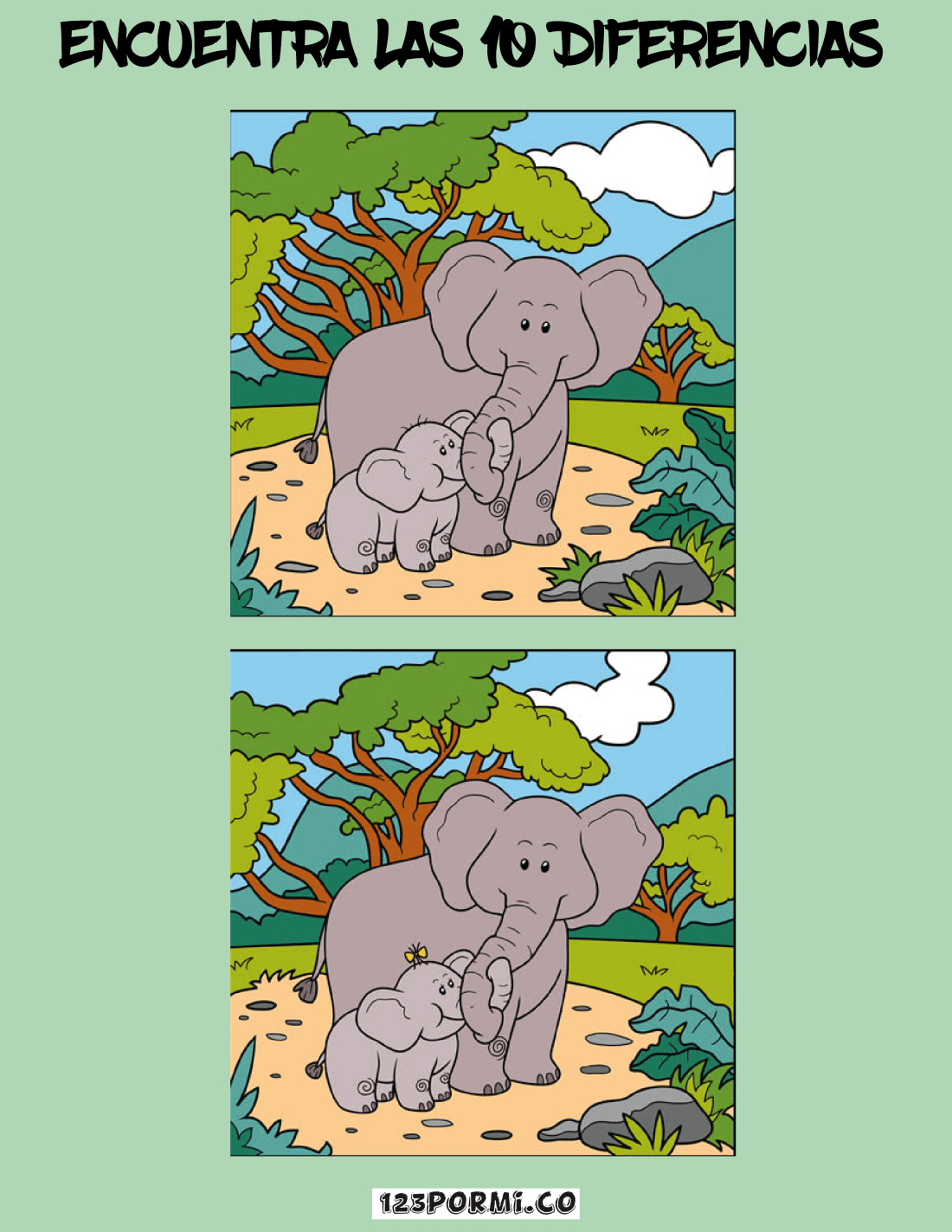
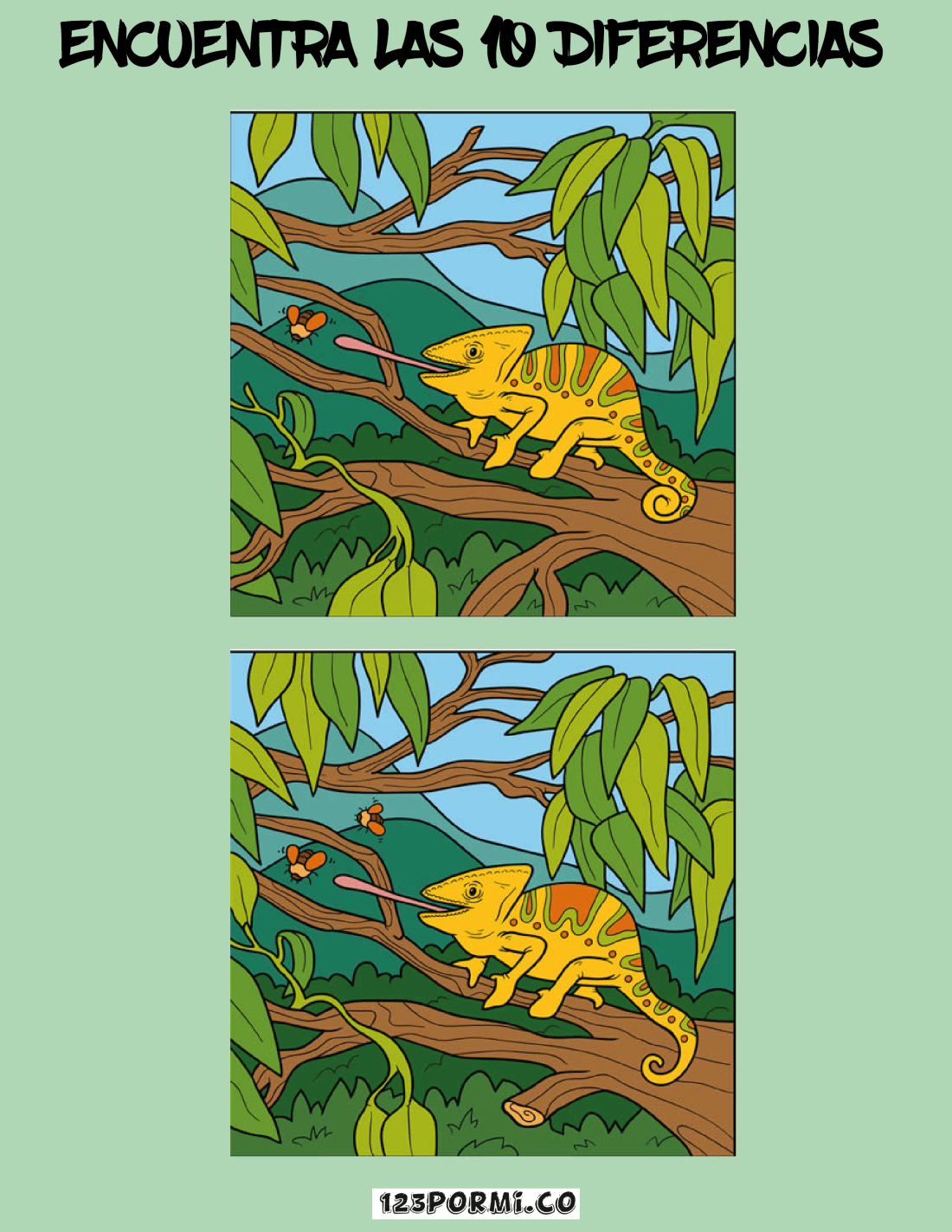
Encuentra las diferencias
Parenting styles
We do not know what kind of parents we will be until our time to see the life of another human being, we usually speculate that we want to provide our children or how we should raise them if we want them to grow up in a healthy and happy way. But if you are a parent you know that all these plans can change in an instant, since the needs of each baby are different, and when they grow their personality will be unique and we can not modify it, but eventually we get used to it. As parents, some of the functions that are expected of us are things like: giving love to our children, supporting them in their development, offering them new learning and disciplining us when necessary so that they adapt more easily to society when they grow up. It is for this reason that today we will talk about parental styles, the types of parents that we are, as we characterize ourselves. Remember that we do not have the last word, you can have a unique parental style, but we will talk about the most common ones used to educate children. Like we are not encouraging you to change your parental style, what works for some parents may not work for others. Sigue leyendo «Parenting styles»
Estilos parentales.
No sabemos que tipo de padres seremos hasta que llega nuestro momento de ver por la vida de otro ser humano, solemos especular que queremos brindarles a nuestros hijos o como debemos formarlos, esperamos que crezcan de una manera sana y felices. Pero si eres padre sabes que todos esos planes pueden cambiar en un instante, ya que las necesidades de cada niño son diferentes, y cuando crecen su personalidad es única. Como padres algunos de los roles que se esperan de nosotros son: brindarles amor a nuestros hijos, apoyarlos en su desarrollo, brindarles nuevos aprendizajes y disciplinarnos cuando es necesario para que se acomoden de forma mas fácil a la sociedad. Es por esta razón que hoy en 123pormi hablaremos de los estilos parentales, los tipos de padres que somos, como nos caracterizamos. Cabe recordarles que no tenemos la ultima palabra, puedes tener un estilo parental único, pero hablaremos de los mas comunes que se usan para educar a los niños. Al igual no estamos animándote para que cambies tu estilo parental, lo que funciona para unos padres puede no funcionar para otros. Sigue leyendo «Estilos parentales.»
Crucigrama de Traducción
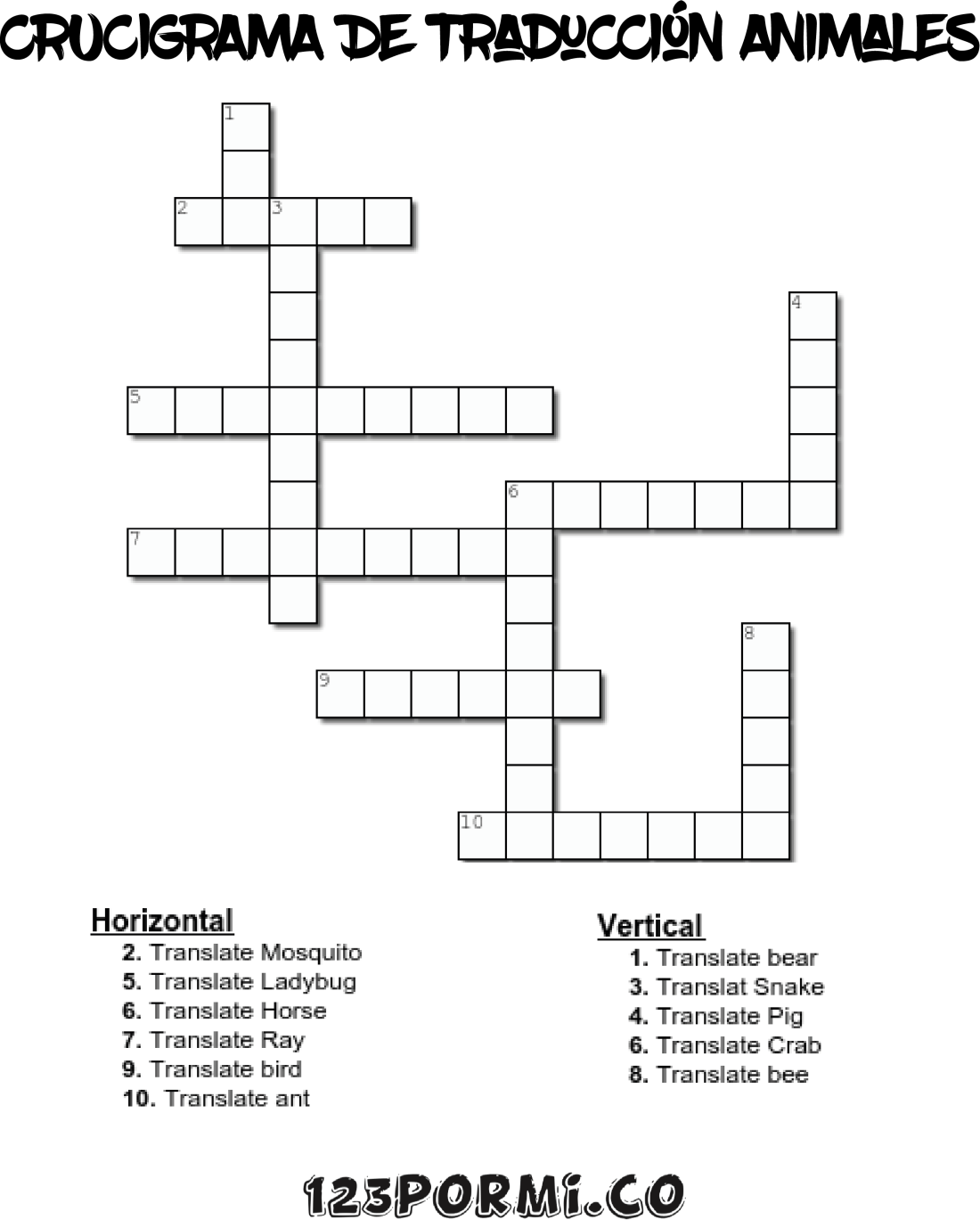
Horizontal: 2.Mosca- 5.Mariquita- 6.Caballo- 7.Mantaraya- 9.Pajaro- 10.Hormiga.
Vertical: 1.Oso- 3.Serpiente- 4.Cerdo- 6.Cangrejo- 8.Abeja.
La relación de los niños con la naturaleza
Estamos en un mundo donde poco a poco hemos colonizado, creado y moldeado a nuestra merced, ya que tenemos las herramientas y recursos suficientes para mover la tierra como queramos. Con el poder que nos hemos otorgado hacemos y deshacemos con los recursos que nos da la naturaleza, pues el día de hoy les contaremos los beneficios que tiene establecer una conexión entre nuestros hijos y la naturaleza. Debemos enseñarles a nuestros hijos a amar todo lo que nos rodea, a respetar otros seres vivos y a reconocer que sin las otras criaturas que habitan este planeta nosotros no estaríamos acá, que son necesarios para que el planeta viva en equilibrio, es por eso que si poco a poco la acabamos no tendremos que enseñarles a nuestros hijos cuando crezcan. Cuando somos niños necesitamos aprender por medio de la experiencia si de verdad queremos comprender que nos hablan, en especial cuando hablamos de plantas, animales u otro tipo de seres vivos ya que a muchos niños les causa curiosidad y debemos alimentarla, pero a otros les causa miedo y debemos ayudarlos a superarlo. Sigue leyendo «La relación de los niños con la naturaleza»
The relationship between nature and children
We are in a world where little by little we have colonized, created and molded at our mercy, since we have enough tools and resources to move the earth as we want. With the power that we have granted, we do and undo the resources that nature gives us, because today we will tell you about the benefits of establishing a connection between our children and nature. We must teach our children to love everything that surrounds us, to respect other living beings and to recognize that without the other creatures that inhabit this planet we would not be here, which are necessary for the planet to live in balance, that’s why if little by little we finish it we will not have to teach our children when they grow up. When we are children we need to learn through experience if we really want to understand that they speak to us, especially when we talk about plants, animals or other types of living beings since many children are curious and we must feed them, but others cause them fear and we must help them overcome it. Sigue leyendo «The relationship between nature and children»
Hiperactivity disorden in children
As parents we keep in mind that children always have energy to waste, keep happy and full of vitality within them; but there are times when he is not simply an energetic child. Here is where a hyperactivity disorder comes into question, this disorder deals with children who develop an intense motor activity, who move continuously, without all this activity having a purpose. They go from one place to another, being able to begin some task, but they leave quickly to start another, which in turn, they leave unfinished again. This hyperactivity increases when they are in the presence of other people, especially those who do not maintain frequent relationships. On the contrary, it decreases the activity when they are alone. Hyperactivity not only speaks of the energy that children waste but the attitudes they can take as it makes them impulsive and disobedient.
Children who suffer from hyperactivity are problematic because they are restless, constantly nervous and insensitive to punishments. They have learning problems, so to abide by the norm is difficult. This is not because the child wants to be difficult to educate, but it is difficult for them to keep their attention on something and for this reason they have problems at home and problems with school performance. Something that as parents we must keep in mind is that if our children go through this situation, we must have patience, we must understand that they do not have total control of their decisions and that they have very little tolerance to frustration which can increase in them the bad behavior. Now we will explain some symptoms that your children may present at an early age to identify the disorder:
1. 0-2 years: Children have cornicos sleeping problems, after meals at nap time sleep little and often wake up startled, irritability in direct light or strong auditory stimuli.
2. 2-3 years: They present excessive motor activity, little awareness when identifying eminent hazards, which leads to the possibility of suffering accidents easier.
3. 4-5 years: Problems of social adaptation, problems at school and at home obeying and following the rules.
4. After 6 years: Problems of attention deficit in the home and school, aggressive behaviors in front of unknown people which leads to antisocial behavior.
We can not recommend any treatment since it depends on each person and the level of hyperactiveness that each child has, but at home you can perform a cognitive treatment, where tasks are presented to the children so that they begin to manage the energy distribution helping them to manage your attention deficit. Finally we want to remind our readers that if they go through a similar situation with their children, be patient, they do not have total control of their actions, they act in this way out of necessity since their organization has not developed the skills to control their actions .
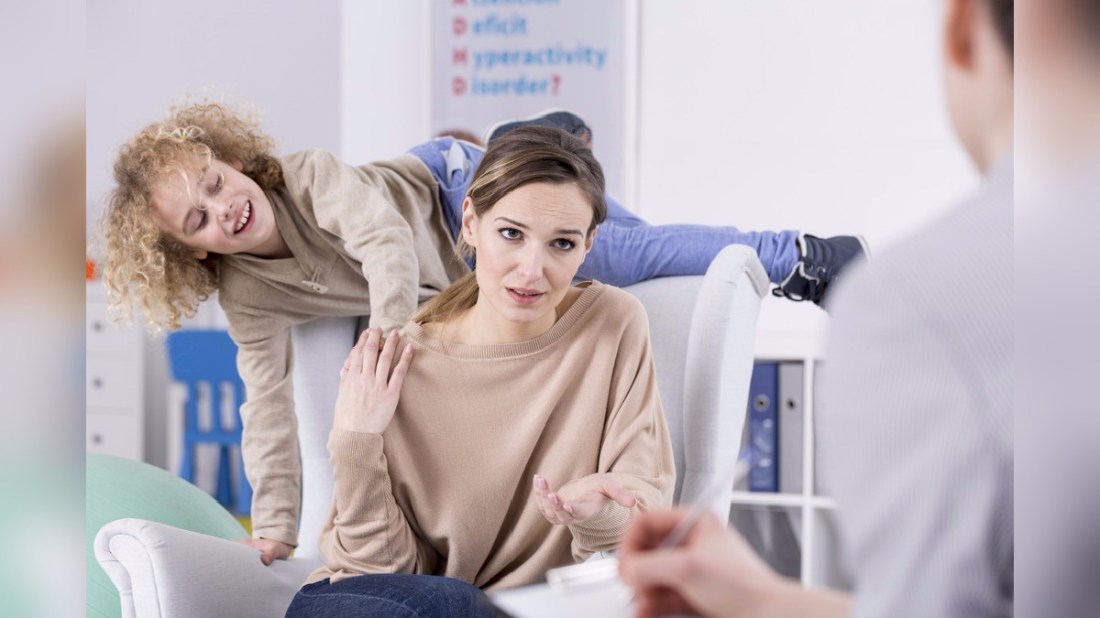
La hiperactividad en los niños
Como padres tenemos presente que los niños siempre tienen energía para derrochar, mantienen felices, corriendo, saltando, llenos de vitalidad; pero en ocasiones vemos a algunos niños desbordados con suficiente inquietud motora y dificultades en su atención. Acá posiblemente podríamos hablar de un trastorno de hiperactividad, los niños desarrollan una intensa actividad motora intensa, y esta actividad no tiene un propósito, van de un lado para otro, pudiendo comenzar alguna tarea, pero que abandonan rápidamente para comenzar otra, que a su vez, vuelven a dejar inacabada. Esta hiperactividad aumenta cuando están en presencia de otras personas, especialmente con las que no mantienen relaciones frecuentes. Por el contrario, disminuye la actividad cuando están solos. La hiperactividad no solo habla de la energía que los niños derrochan sino las actitudes que pueden tomar ya que los vuelve impulsivos y desobedientes. Sigue leyendo «La hiperactividad en los niños»
 123 por mi