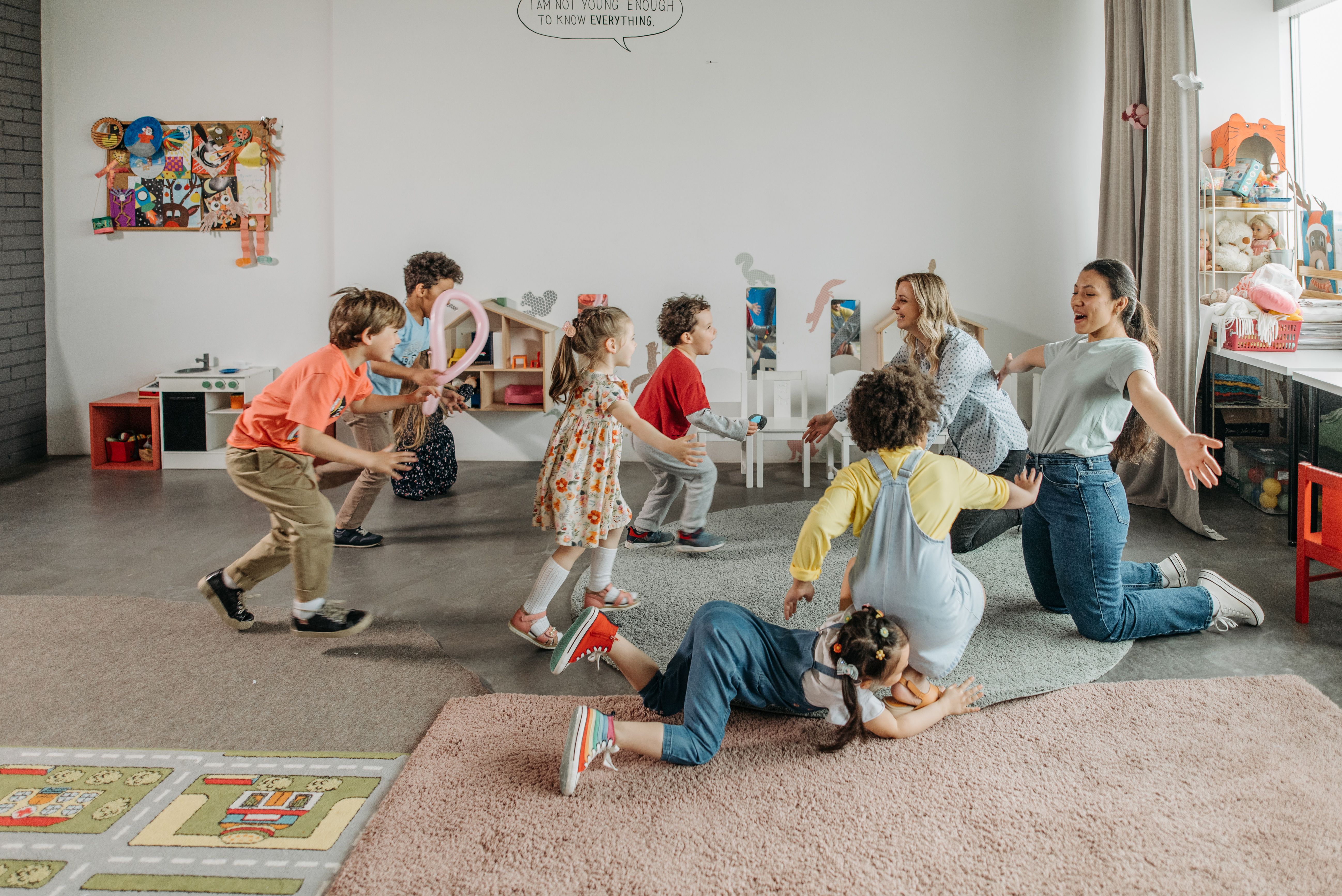
The relationship between grandparents and children

The relationship between children and their grandparents occupies a special place in the emotional architecture of childhood. It is not a secondary or merely affectionate bond; it is a relationship that can profoundly influence children’s emotional, social, and even cognitive development. Grandparents not only provide companionship, but also offer a different way of being in the world, and this difference is precisely what makes it so valuable.

Sigue leyendo «The relationship between grandparents and children»

La relación entre los niños y sus abuelos

La relación entre los niños y sus abuelos ocupa un lugar especial en la arquitectura emocional de la infancia. No es un vínculo accesorio ni simplemente afectivo; es una relación que puede influir profundamente en el desarrollo emocional, social y hasta cognitivo de los niños. Los abuelos no solo acompañan, también ofrecen una forma distinta de estar en el mundo, y esa diferencia es justamente lo que la vuelve tan valiosa.

Sigue leyendo «La relación entre los niños y sus abuelos»

Zootopia: A Modern Fable About Prejudice, Expectations, and the Internal Struggle to Be Yourself

Imagine a city where all the animals live together in harmony, from polar bears to tiny mice. A utopia… or so it seems. Zootopia enters the lives of children and adults as a fun animated film about talking animals, but what it really delivers is a masterful essay on social prejudices, imposed expectations, identity, resilience, and the deep desire to find (or create) our place in the world.

Judy Hopps, the first rabbit in a police force dominated by large and powerful animals, is the perfect symbol of what developmental psychology calls self-efficacy: that internal belief that one can achieve whatever one sets out to do, even when the context seems to scream otherwise. From an early age, Judy is confronted with messages that invalidate her dream of being a police officer. But she embodies that ability to resist external pressure and cultivate an identity based on purpose, not labels. If Vygotsky were to talk about it, he would say that the social environment offers a gigantic zone of proximal development… as long as he can find mediators to help him cross it.

And then appears Nick Wilde, the fox. Cynical, relaxed, sarcastic, but also deeply wounded. He is a clear example of how internalized stereotypes can shape our behavior. Nick grew up hearing that foxes are dangerous and untrustworthy, and when he couldn’t find any other validation, he decided to play the role others had assigned him. Here, from a social psychology perspective, we are talking about self-fulfilling prophecies: when stereotypes not only affect us from the outside, but begin to direct our actions from within.

The film doesn’t stop at a personal narrative. It elevates its discourse to speak of fear as a tool of social control. When Zootopia’s predators begin to «run wild,» the discourse of fear begins to divide the city. And so, we see how prejudices, as Gordon Allport explains, feed on ignorance and fear, and are reinforced in times of crisis. The metaphor is powerful: one well-directed rumor can destroy years of coexistence. The story shows us how collective fear can be used to justify rejection, discrimination, and mistrust, even in societies that claim to be inclusive.

But the most beautiful thing about Zootopia is how it dismantles these ideas without sermons, but through the emotional growth of its protagonists. Judy realizes that, despite her good intentions, she can also have prejudices. Nick discovers that he doesn’t have to live locked away in the «swindler fox» label. Both learn to look beyond instinct, social discourse, and what others expect or fear of them. They grow, in the fullest sense of the word: they become aware of their biases and choose to act from empathy.

From a learning psychology perspective, we can say that both characters undergo a profound process of unlearning. Something that’s not only difficult, but uncomfortable. Letting go of beliefs that have accompanied us our entire lives involves grief. But it’s also liberating. And this is where the film becomes powerful for children: because it shows them that change is okay, that questioning what we’ve learned is healthy, and that identity isn’t a rigid mold but a dynamic construct.

Zootopia isn’t just a city. It’s a promise. The promise that we can live together, different but equal, without giving up our stories or our essence. It’s a call not to reduce anyone to their species, their size, their accent, or their past. It’s a reminder that we are all—yes, all of us—fighting some internal battle.

Zootopia: una fábula moderna sobre prejuicios, expectativas y la lucha interna por ser uno mismo

Imagina una ciudad donde todos los animales conviven en armonía, desde osos polares hasta ratones diminutos. Una utopía… o eso parece. Zootopia entra en la vida de niños y adultos como una película animada divertida sobre animales parlantes, pero lo que nos entrega realmente es un ensayo magistral sobre los prejuicios sociales, las expectativas impuestas, la identidad, la resiliencia y el deseo profundo de encontrar (o crear) nuestro lugar en el mundo.

Judy Hopps, la primera coneja en un cuerpo policial dominado por animales grandes y poderosos, es el símbolo perfecto de lo que la psicología del desarrollo llama autoeficacia: esa creencia interna de que uno puede lograr lo que se propone, incluso cuando el contexto parece gritar lo contrario. Desde temprana edad, Judy se enfrenta a los mensajes que invalidan su sueño de ser policía. Pero ella encarna esa capacidad de resistir a la presión externa y cultivar una identidad basada en el propósito, no en las etiquetas. Si Vygotsky nos hablara de ella, diría que el entorno social le ofrece una zona de desarrollo próximo gigantesca… siempre y cuando logre encontrar mediadores que le ayuden a cruzarla.

Y entonces aparece Nick Wilde, el zorro. Cínico, relajado, sarcástico, pero también profundamente herido. Es el claro ejemplo de cómo los estereotipos internalizados pueden moldear nuestra conducta. Nick creció escuchando que los zorros son peligrosos y poco confiables, y al no encontrar una validación distinta, decidió jugar el papel que los demás le habían asignado. Aquí, desde una perspectiva de la psicología social, hablamos de profecías autocumplidas: cuando los estereotipos no solo nos afectan desde fuera, sino que empiezan a dirigir nuestros actos desde dentro.

La película no se queda en un relato personal. Eleva su discurso para hablar del miedo como herramienta de control social. Cuando los depredadores de Zootopia comienzan a “salvajezarse”, el discurso del miedo empieza a dividir a la ciudad. Y así, vemos cómo los prejuicios, como explica Gordon Allport, se alimentan de la ignorancia y el miedo, y se refuerzan en los momentos de crisis. La metáfora es potente: basta un rumor bien dirigido para destruir años de convivencia. La historia nos muestra cómo el miedo colectivo puede usarse para justificar el rechazo, la discriminación y la desconfianza, incluso en sociedades que presumen de ser inclusivas.

Pero lo más hermoso de Zootopia es cómo desmantela estas ideas sin sermones, sino a través del crecimiento emocional de sus protagonistas. Judy se da cuenta de que, a pesar de sus buenas intenciones, también puede tener prejuicios. Nick descubre que no tiene que vivir encerrado en la etiqueta de “zorro estafador”. Ambos aprenden a mirar más allá del instinto, del discurso social, de lo que otros esperan o temen de ellos. Crecen, en el sentido más pleno de la palabra: se hacen conscientes de sus sesgos, y eligen actuar desde la empatía.

Desde la psicología del aprendizaje, podemos decir que ambos personajes atraviesan un proceso profundo de desaprendizaje. Algo que no solo es difícil, sino incómodo. Abandonar creencias que nos han acompañado toda la vida implica un duelo. Pero también una liberación. Y aquí es donde la película se vuelve poderosa para los niños: porque les muestra que cambiar está bien, que cuestionar lo aprendido es sano, y que la identidad no es un molde rígido sino una construcción dinámica.

Zootopia no es solo una ciudad. Es una promesa. La promesa de que podemos vivir juntos, diferentes pero iguales, sin que eso implique renunciar a nuestras historias ni a nuestra esencia. Es un llamado a no reducir a nadie a su especie, su tamaño, su acento o su pasado. Es un recordatorio de que todos —sí, todos— estamos peleando alguna batalla interna.

Onward: The Magical Quest We All Carry Within

If Pixar has a superpower, it’s definitely this one: it makes movies that kids enjoy with laughter and adventure, but that leave adults existentially dehydrated and questioning our family relationships. Onward is no exception.

The story follows Ian and Barley, two teenage elf brothers living in a world where magic has been relegated to the history books. Everything changes when they discover a spell that could bring their deceased father back for just one day. The small detail is that they only manage to materialize the lower half of his body (yes, pants with shoes that walk on their own, thanks Pixar). From there, an adventure begins to complete the spell before the day is over.

But the truly magical thing about Onward isn’t the dragons, the mythological creatures, or even the spells. It’s the emotional and psychological undercurrent that resonates with children and adults alike.

What does Onward represent in the inner world of children?

This journey has much of what Vygotsky would call a zone of emotional proximal development. Ian, the younger brother, begins the story feeling incapable, insecure, «less» than the others. His inner voice is full of doubts and fears, and he needs—like all children—a supportive figure who serves as an emotional scaffolding to dare to be. In this case, that scaffolding is his brother Barley: loud, eccentric, and seemingly clumsy, but with brilliant emotional intuition.

The film brings into play a key learning experience for child development: trust. And not an imposed trust, but one born of experience, trial and error, and living things together. Along the way, Ian discovers that everything he needed was already within him… but he needed a safe and loving environment in which to see it.

Absence as a Narrative Driving Force

The figure of the absent father is not only literal, but deeply symbolic. Onward speaks about partial orphanhood, a reality more common in childhood than we think. But it does so with tenderness, respect, and above all, with an emotional clarity that allows children to process loss or absence from a place of curiosity rather than pain.

The film doesn’t wallow in sadness. It reminds us that some losses cannot be changed, but that there are also invisible presences that sustain everyday life: brothers, mothers, loving figures who care without being heroes, but who work magic every day.

Family as an Emotional Network

In a world full of spells and adventures, true power lies in emotional connection. Ian believes he needs to know his father to feel whole, but ends up discovering that he’s already had a father figure all along. Barley, the clumsy but brave brother, has been his guide, his caregiver, his source of stories, his personal cheerleader.

Here comes one of the most beautiful theories of developmental psychology: relational resilience. It’s not so much what’s missing that matters, but what’s built with what’s there. When children feel emotionally supported, they can fill even the biggest voids with tenderness, courage, and meaning.

And what’s the point?

The point of Onward is that sometimes we go through life looking for figures to complete us, without realizing that we’ve already been deeply loved and supported by those who have been there all along, even if they haven’t had a cloak, sword, or official title. The magic isn’t in bringing back what’s lost, but in recognizing the value of what’s present.

Sometimes our children don’t need big answers, but rather help them look with fresh eyes at what’s always been there: a mom who improvises spells in the form of cookies, a brother who never stops talking but never stops being there, or an adult who, like you, teaches them that every adventure, no matter how ordinary it may seem, can be extraordinary if it’s done with love.

Unidos: La búsqueda mágica que todos llevamos dentro

Si Pixar tiene un superpoder, definitivamente es este: hace películas que los niños disfrutan con risas y aventuras, pero que a los adultos nos dejan existencialmente deshidratados y cuestionando nuestras relaciones familiares. Onward no es la excepción.

La historia sigue a Ian y Barley, dos hermanos elfos adolescentes que viven en un mundo donde la magia ha quedado relegada a los libros de historia. Todo cambia cuando encuentran un hechizo que podría traer de vuelta a su padre fallecido por un solo día. El pequeño detalle es que… solo logran materializarle la mitad inferior del cuerpo (sí, unos pantalones con zapatos que caminan solos, gracias Pixar). A partir de ahí, comienza una aventura para completar el conjuro antes de que se acabe el día.

Pero lo verdaderamente mágico de Onward no está en los dragones, ni en las criaturas mitológicas, ni siquiera en los hechizos. Está en el trasfondo emocional y psicológico que resuena en niños y adultos por igual.

¿Qué representa Onward en el mundo interior de los niños?

Este viaje tiene mucho de lo que Vygotsky llamaría una zona de desarrollo próximo emocional. Ian, el hermano menor, comienza la historia sintiéndose incapaz, inseguro, «menos» que los demás. Su voz interna está llena de dudas y miedos, y necesita —como todos los niños— una figura acompañante que le sirva de andamio emocional para atreverse a ser. En este caso, ese andamio es su hermano Barley: ruidoso, excéntrico, y aparentemente torpe, pero con una intuición emocional brillante.

La película pone en juego un aprendizaje clave para el desarrollo infantil: la confianza. Y no una confianza impuesta, sino una que nace de la experiencia, del ensayo y error, de vivir cosas juntos. Ian va descubriendo, a lo largo del camino, que todo lo que necesitaba ya estaba en él… pero que necesitaba un entorno seguro y afectivo para verlo.

La ausencia como motor narrativo

La figura del padre ausente no solo es literal, sino profundamente simbólica. Onward habla de la orfandad parcial, una realidad más común de lo que creemos en las infancias. Pero lo hace con ternura, con respeto, y sobre todo, con una claridad emocional que permite a los niños procesar la pérdida o la ausencia desde un lugar de curiosidad más que de dolor.

La película no se regodea en la tristeza. Nos recuerda que hay pérdidas que no se pueden cambiar, pero que también hay presencias invisibles que sostienen la vida cotidiana: hermanos, madres, figuras afectivas que cuidan sin tener título de héroes, pero que hacen magia todos los días.

La familia como red emocional

En un mundo lleno de hechizos y aventuras, el verdadero poder es la conexión emocional. Ian cree que necesita conocer a su padre para sentirse completo, pero termina descubriendo que ya ha tenido una figura paterna todo este tiempo. Barley, el hermano torpe pero valiente, ha sido su guía, su cuidador, su fuente de historias, su cheerleader personal.

Aquí entra en juego una de las teorías más hermosas de la psicología del desarrollo: la resiliencia relacional. No importa tanto lo que falta, sino lo que se construye con lo que sí está. Cuando los niños se sienten emocionalmente acompañados, pueden elaborar incluso los vacíos más grandes con ternura, con valentía y con sentido.

¿Y cuál es la galleta?

La galleta de Onward es que a veces vamos por la vida buscando figuras que nos completen, sin darnos cuenta de que ya hemos sido profundamente amados y acompañados por quienes han estado allí todo el tiempo, incluso si no han tenido capa, espada o título oficial. La magia no está en traer de vuelta lo perdido, sino en reconocer el valor de lo presente.

A veces nuestros hijos no necesitan grandes respuestas, sino que los ayudemos a mirar con nuevos ojos lo que siempre ha estado ahí: una mamá que improvisa hechizos en forma de galletas, un hermano que no para de hablar pero nunca deja de estar, o un adulto que, como tú, les enseña que cada aventura, por ordinaria que parezca, puede ser extraordinaria si se hace con amor.