
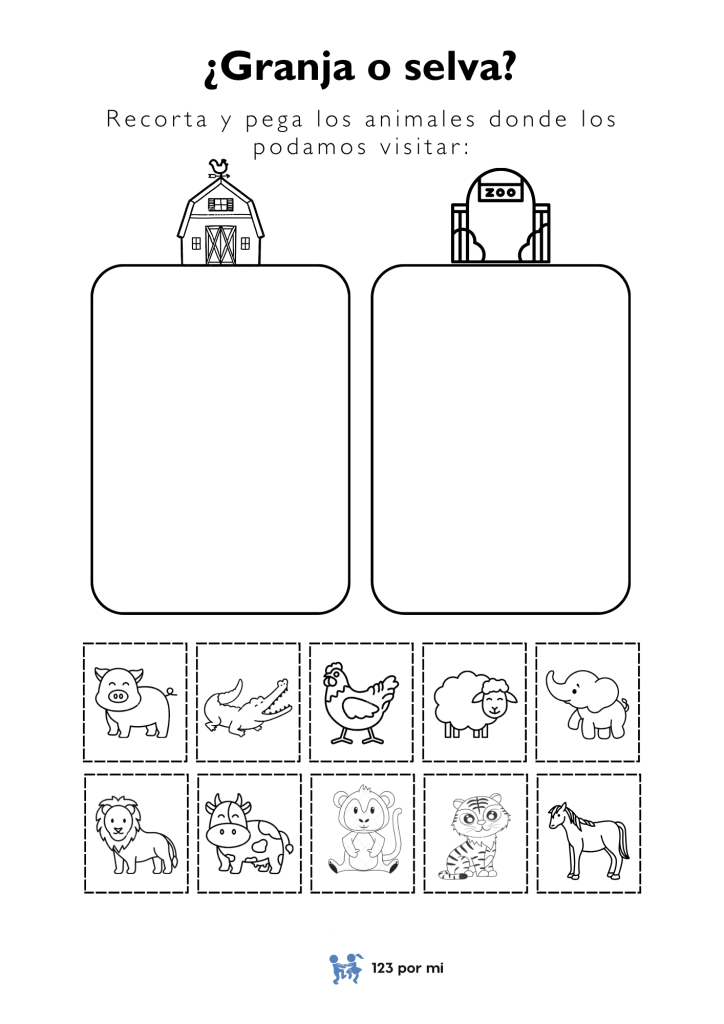
¿Granja o selva?
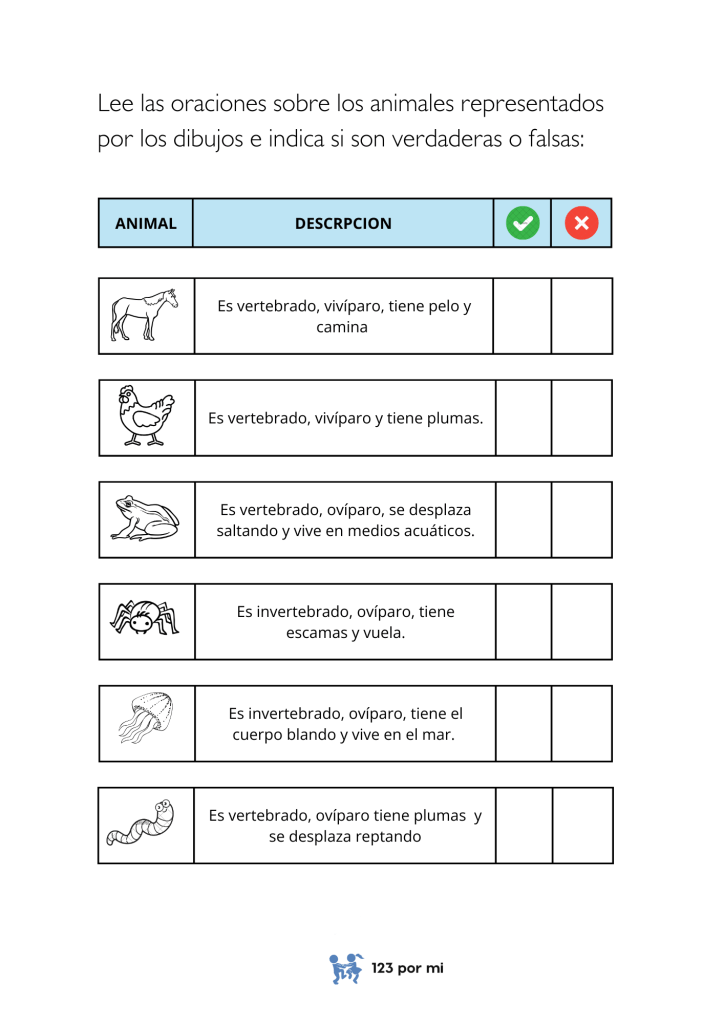
Verdadero o falso
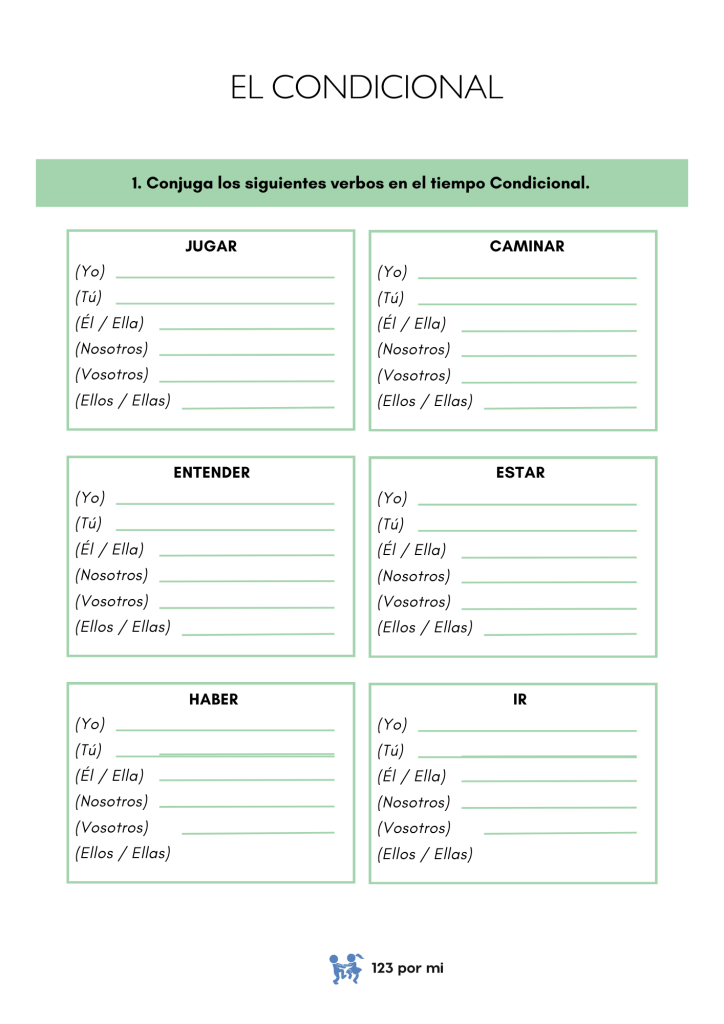
El condicional
Finding Nemo… and finding much more than a clownfish
There are movies that make us laugh, cry, and then cry again… but with an aquatic style. Finding Nemo isn’t just the story of a small fish with a shorter fin, nor of an overprotective dad swimming halfway across the ocean. It’s actually a great metaphor about fear, autonomy, resilience, and the eternal dilemma of letting go… all wrapped in bubbles, anemones, and surfing turtles.
When we look at this story through the eyes of child psychology, it becomes an emotional guide for parents, mothers, and caregivers who, like Marlin, have the (natural) impulse to protect at all costs. Who hasn’t felt that paralyzing fear when a child strays a little further than we’d like? But that’s where the magic (and the need) of allowing children to live, make mistakes, explore, get a little lost… and find their way comes in.
From Vygotskian perspective, we can understand that Nemo faces a zone of proximal development. He wants to prove himself, and although he still needs adult figures to guide him, he also needs real challenges that take him out of his emotional fishbowl. In this case, his greatest learning experience isn’t in the reef’s classrooms, but in the vast sea filled with jellyfish, vegetarian sharks, and sociable pelicans. Because, as sociocultural theory suggests, development occurs through interaction and context. And Nemo certainly had a stimulating one.
On the other hand, Marlin, the father, is on his own emotional journey. In psychology, we talk about «parental anxiety,» that constant fear that something will happen to our children. We understand it, we validate it… but we also challenge it. Because parenting isn’t about locking yourself in a bubble, but preparing to swim in the open sea. Marlin has to learn to trust not only Nemo, but also the world and its ability to face the unexpected.
And Dory? Dory is the friend we all need, even if she forgets what she just said. It represents the importance of social support, almost naive optimism, and the mantra of «just keep swimming.» It also shows us another side: neurodivergence. Although her short-term memory is limited, Dory provides solutions, companionship, creativity, and a unique perspective on problems. She doesn’t need to «fix» herself to fit in; rather, her environment learns to relate to her through affection and empathy. Point for inclusion.
This film also speaks to grief: Marlin has lost his partner and almost all of his children. His overprotectiveness comes from a place of pain. And Nemo, although he doesn’t fully understand it, experiences it in that lack of freedom. It’s a reminder that children perceive unspoken pain, unhealed wounds, and that these emotions often creep into parenting without us realizing it. Talking about what hurts, and healing, is also parenting.
In the end, Finding Nemo offers us a simple, yet complex, lesson: loving isn’t controlling, but trusting. And nurturing isn’t about preventing them from living, but about accompanying them as they learn to swim on their own. It’s literally about gradually releasing their fins.
So if your child wants to explore, make mistakes, or have their own adventure in the sea at school, at the park, or in their own imagination, remember: «Keep swimming.» With them, with her, with you.
Buscando a Nemo… y encontrando mucho más que un pez payaso
Hay películas que nos hacen llorar, reír y luego llorar de nuevo… pero con estilo acuático. Buscando a Nemo no es solo la historia de un pez pequeño con una aletita más corta, ni de un papá sobreprotector nadando medio océano. Es, en realidad, una gran metáfora sobre el miedo, la autonomía, la resiliencia, y el eterno dilema de dejar ir… todo, envuelto en burbujas, anémonas y tortugas surfistas.
Cuando miramos esta historia desde los ojos de la psicología infantil, se vuelve una guía emocional para papás, mamás y cuidadores que, como Marlin, tienen el impulso (natural) de proteger a toda costa. ¿Quién no ha sentido ese miedo paralizante cuando un hijo se aleja un poquito más de lo que quisiéramos? Pero ahí es donde entra la magia (y la necesidad) de permitir que los niños vivan, se equivoquen, exploren, se pierdan un poquito… y encuentren su rumbo.
Desde el enfoque de Vygotsky, podemos entender que Nemo se enfrenta a una zona de desarrollo próximo. Él quiere probarse a sí mismo, y aunque necesita aún de figuras adultas que lo orienten, también necesita retos reales que lo saquen de su pecera emocional. En este caso, su mayor aprendizaje no está en las clases escolares del arrecife, sino en el vasto mar lleno de medusas, tiburones vegetarianos y pelícanos sociables. Porque así como lo plantea la teoría sociocultural, el desarrollo ocurre en la interacción y en el contexto. Y Nemo, sin duda, tuvo uno bastante estimulante.
Por otro lado, Marlin, el padre, transita su propio viaje emocional. En psicología, hablamos de “ansiedad parental”, ese miedo constante de que algo les pase a nuestros hijos. Lo entendemos, lo validamos… pero también lo desafiamos. Porque criar no es encerrar en una burbuja, sino preparar para nadar en el mar abierto. Marlin tiene que aprender a confiar no solo en Nemo, sino también en el mundo y en su capacidad de enfrentar lo inesperado.
¿Y Dory? Dory es la amiga que todos necesitamos, incluso si olvida lo que acaba de decir. Representa la importancia del apoyo social, del optimismo casi ingenuo y del “sigue nadando” como mantra vital. Además, nos muestra otra cara: la neurodivergencia. Aunque su memoria a corto plazo es limitada, Dory aporta soluciones, compañía, creatividad y una mirada única sobre los problemas. Ella no necesita “arreglarse” para encajar el entorno, más bien, aprende a relacionarse con ella desde el afecto y la empatía. Punto para la inclusión.
Esta película también habla del duelo: Marlin ha perdido a su pareja y a casi todos sus hijos. Su sobreprotección viene de un lugar de dolor. Y Nemo, aunque no lo entienda del todo, lo vive en esa falta de libertad. Es un recordatorio de que los niños perciben el dolor no dicho, las heridas no sanadas, y que muchas veces esas emociones se cuelan en la crianza sin que nos demos cuenta. Hablar de lo que duele, y sanar, también es criar.
Al final, Buscando a Nemo nos propone una lección sencilla, pero compleja de aplicar: amar no es controlar, sino confiar. Y criar no es evitar que vivan, sino acompañar mientras aprenden a nadar por sí mismos. Es, literalmente, ir soltando las aletitas de a poquito.
Así que si tu hijo hoy quiere explorar, equivocarse o tener su propia aventura en el mar del colegio, del parque o de su propia imaginación, recuerda: “sigue nadando”. Con él, con ella, contigo.

 123 por mi