Turning Red: When Your Teenager Turns into a Giant Red Panda

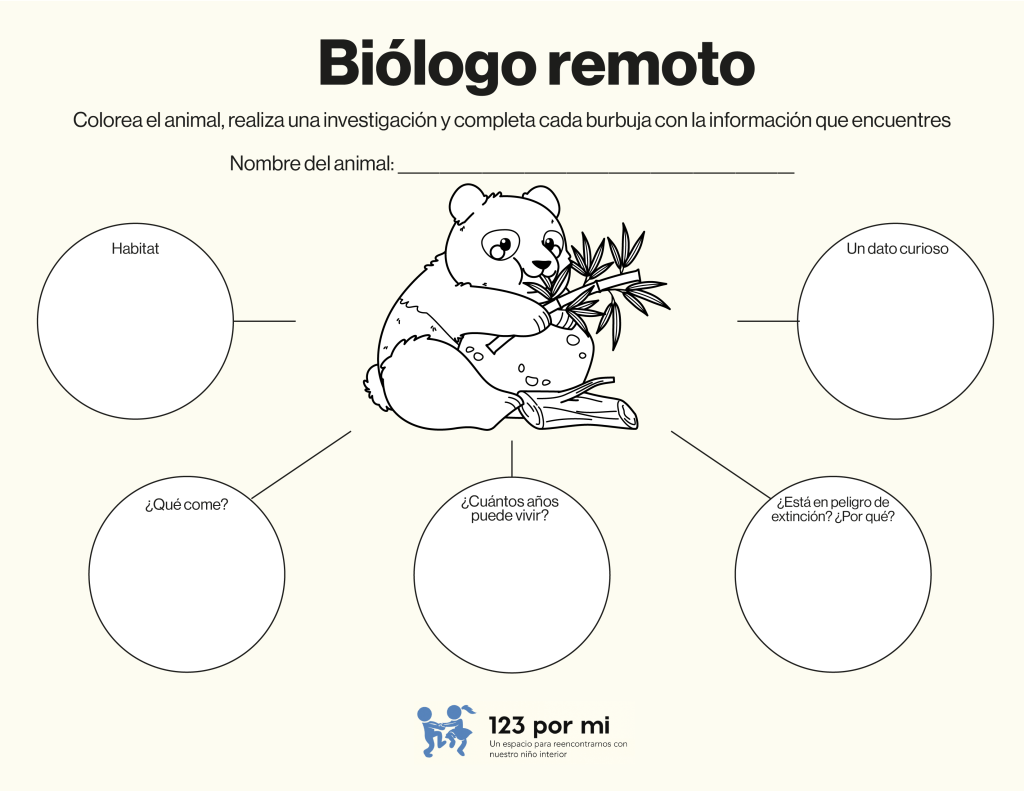
There’s a certain age when your body changes, your feelings explode, and suddenly you’re no longer the adorable little girl who obeyed everything Mom said. From one day to the next, something is activated: your voice changes, your tastes too, and you find yourself defending what you once accepted. In Turning Red, that «something» is literally a giant red panda that appears every time Mei gets too excited. I mean… almost all the time.

But what if I told you that panda is a perfect metaphor for adolescent emotional development? Let’s take it one step at a time.

The film is an emotional journey to that stage where identity becomes a battleground. Mei lives torn between what she wants to be and what her family expects of her. And that, dear readers, isn’t just a Pixar story: it’s one of the most classic conflicts described by Erik Erikson in his theory of psychosocial development. At 13, just as Mei transforms into a panda for the first time, people are sorting through the “identity vs. role confusion” stage. Who am I? Is what I like really mine, or is it what my parents want for me? Can I have big emotions without feeling ashamed?

Then the panda appears. Furry, clumsy, unpredictable, but completely honest. The panda represents everything Mei was taught to repress: her anger, her desire, her independence, her euphoria, her sadness. Emotions as powerful forces that, if not recognized and integrated, explode like a roar in the middle of the classroom. In Vygotsky’s terms, we could say that Mei is undergoing an internal reorganization of her psychic functions, where the social environment (school, her friends, her family) shapes the way she learns to regulate her emotions and build her self-concept.

And here’s something important: in the film, the panda can be “sealed” so that it never comes out again. It’s what the women in the family have done for generations. They’ve locked their pandas away, as if intense emotionality were something to be ashamed of. But Mei decides otherwise: she decides to live with it, learn to integrate it, use it to her advantage. Because as Carl Jung rightly says, «What you deny subdues you; what you accept transforms you.»

Turning Red isn’t just about puberty. It talks about how the process of individuation can be chaotic but beautiful. About how growing up hurts, but also liberates. And how often the emotions that scare us the most are, in fact, the ones that most connect us to who we are.

Behind every scream, every fight with Mom, every drawing of cute boys in her notebook, there’s a very human need: to be seen, heard, and accepted just as you are… even when you’re a furry red ball that destroys ceilings.

Turning Red: cuando tu adolescencia se convierte en un panda rojo gigant

Hay una edad en la que el cuerpo cambia, los sentimientos explotan, y de repente ya no eres la niña adorable que obedecía todo lo que mamá decía. De un día para otro, algo se activa: tu voz cambia, tus gustos también, y te descubres defendiendo lo que antes solo aceptabas. En Turning Red, ese “algo” es literalmente un panda rojo gigante que aparece cada vez que Mei se emociona demasiado. O sea… casi todo el tiempo.

Pero ¿y si te dijera que ese panda es una metáfora perfecta del desarrollo emocional adolescente? Vamos por partes.

La película es un viaje emocional hacia esa etapa donde la identidad se vuelve un campo de batalla. Mei vive dividida entre lo que quiere ser y lo que su familia espera de ella. Y eso, queridas y queridos lectores, no es solo una historia de Pixar: es uno de los conflictos más clásicos descritos por Erik Erikson en su teoría del desarrollo psicosocial. A los 13 años, justo cuando Mei se transforma en panda por primera vez, las personas están resolviendo la etapa de “identidad vs. confusión de roles”. ¿Quién soy? ¿Lo que me gusta es realmente mío o es lo que mis padres quieren para mí? ¿Puedo tener emociones grandes sin sentir vergüenza?

Aparece entonces el panda. Peludo, torpe, impredecible, pero completamente honesto. El panda representa todo lo que a Mei le enseñaron a reprimir: su enojo, su deseo, su independencia, su euforia, su tristeza. Las emociones como fuerzas potentes que, si no se reconocen y se integran, explotan como un rugido en medio del salón de clases. En términos de Vygotsky, podríamos decir que Mei está atravesando una reorganización interna de sus funciones psíquicas, donde el entorno social (la escuela, sus amigas, su familia) va moldeando el modo en que aprende a regular sus emociones y a construir su autoconcepto.

Y aquí hay algo importante: en la película, el panda se puede “sellar” para que no vuelva a salir. Es lo que las mujeres de la familia han hecho por generaciones. Han encerrado sus pandas, como si la emocionalidad intensa fuera algo de lo que hay que avergonzarse. Pero Mei decide otra cosa: decide convivir con él, aprender a integrarlo, usarlo a su favor. Porque como bien dice Carl Jung, “lo que niegas te somete; lo que aceptas te transforma”.

Turning Red no solo habla de pubertad. Habla de cómo el proceso de individualización puede ser caótico pero hermoso. De cómo crecer duele, pero también libera. Y de cómo muchas veces las emociones que más nos asustan son, en realidad, las que más nos conectan con quienes somos.

Detrás de cada grito, de cada pelea con mamá, de cada dibujo de chicos lindos en el cuaderno, hay una necesidad muy humana: la de ser vista, escuchada y aceptada tal como eres… incluso cuando eres una bola roja y peluda que destruye techos.

Wall-E: The robot who reminded us how to be human.

There are movies that entertain, others that move, and a few that, without saying a word, teach you the essentials. Wall-E is one of those. A small, rusty, lonely, curious robot… with more humanity than many humans. On an empty planet, covered in trash, where civilization decided to leave because it was easier to escape than to repair, Wall-E continues doing his job. Day after day, silently, he picks up, arranges, cleans. And all the while, he collects things. Things others threw away. Things no one valued. Like someone who unknowingly keeps pieces of hope.

When children watch Wall-E, they’re not just seeing an adorable robot who falls in love with a modern space probe. They’re seeing the power of perseverance, of tenderness, of curiosity. They see what happens when someone, instead of giving up, decides to care. And to care without anyone seeing it, without anyone rewarding them, without applause or followers. Just because. Because it’s the right thing to do.

From a child psychology perspective, Wall-E touches deep emotional development. Wall-E lives in a desolate and silent environment, yet maintains a profound inner world. This reflects, in many children, the capacity to form emotional bonds even in cold or disconnected environments. Wall-E represents emotional resilience, the ability to sustain hope and connection even in isolation.

Furthermore, this little robot is fascinated by insignificant objects: a fork, a lightbulb, a Rubik’s cube. This is no coincidence. In childhood, symbolic play is one of the most important forms of emotional expression. When children «adopt» stones, draw faces on fruit, or construct stories with bottle caps, they are doing what Wall-E does: bringing the inanimate to life to fill their world with meaning.

When Eve appears, Wall-E transforms. Something similar is triggered to what happens in childhood when a child experiences a secure emotional bond: they seek contact, desire to nurture, experience separation anxiety, and expose themselves emotionally. They appear vulnerable, confused, and emotional. There are no words, but there are gestures that speak volumes. The film, without discussing attachment theory, illustrates this with brutal clarity.

Meanwhile, humans float in spaceships, completely disconnected from their bodies, their environment, and each other. Children and adults alike can identify a clear critique here: the excess of stimulation, the replacement of physical movement with digital movement, the loss of authentic human bonds. Wall-E, without being human, walks, touches, feels, dances, listens. And in doing so, he reminds everyone—the characters and the viewers—of what it feels like to be alive.

Wall-E also speaks of ecology, yes. But above all, it speaks of emotional memory. Of the importance of preserving what is small. It teaches children that not everything that is old should be discarded. That what is broken can have value. That caring for the world begins with caring for what’s right in front of you: a plant, a toy, a memory, a friendship.

Cookie of the Day:
Sometimes the most heroic acts don’t make a sound. They’re more like picking up what others threw away, planting something where nothing else grows, staying when everyone else has left. If you have a quiet, thoughtful child who is fascinated by strange objects, who cares for what others ignore… maybe you have a little Wall-E at home. Teach them that this is love too. That caring for the invisible is a superpower. And that, with luck, one day that simple gesture—a plant, a glance, a shy «hello»—can save everything.

Wall-E: El robot que nos recordó cómo ser humanos

Hay películas que entretienen, otras que conmueven, y unas pocas que, sin decir casi una palabra, te enseñan lo esencial. Wall-E es una de esas. Un pequeño robot oxidado, solitario, curioso… con más humanidad que muchos humanos. En un planeta vacío, cubierto de basura, donde la civilización decidió irse porque era más fácil escapar que reparar, Wall-E sigue haciendo su trabajo. Día tras día, en silencio, recoge, acomoda, limpia. Y mientras tanto, colecciona cosas. Cosas que otros tiraron. Cosas que nadie valoró. Como quien guarda pedazos de esperanza sin saberlo.

Cuando los niños ven Wall-E, no solo están viendo a un robot adorable que se enamora de una sonda espacial moderna. Están viendo el poder de la constancia, de la ternura, de la curiosidad. Ven lo que pasa cuando alguien, en lugar de rendirse, decide cuidar. Y cuidar sin que nadie lo vea, sin que nadie lo premie, sin aplausos ni seguidores. Solo porque sí. Porque es lo correcto.

Desde la psicología infantil, Wall-E toca fibras profundas del desarrollo emocional. Wall-E vive en un entorno desolado y silencioso, y sin embargo mantiene un profundo mundo interno. Esto refleja, en muchos niños, esa capacidad para generar vínculos afectivos incluso en entornos fríos o desconectados. Wall-E representa la resiliencia emocional, esa habilidad de sostener la esperanza y la conexión aún en el aislamiento.

Además, este pequeño robot se fascina con objetos insignificantes: un tenedor, una bombilla, un cubo de Rubik. No es casual. En la infancia, el juego simbólico es una de las formas más importantes de expresión emocional. Cuando los niños “adoptan” piedras, dibujan caras en frutas, construyen historias con tapitas de botellas, están haciendo lo que hace Wall-E: darle vida a lo inanimado para llenar de sentido su mundo.

Cuando aparece Eva, Wall-E se transforma. Se activa algo similar a lo que ocurre en la infancia cuando un niño experimenta un vínculo afectivo seguro: busca el contacto, desea cuidar, siente ansiedad por separación, y se expone emocionalmente. Se muestra vulnerable, confundido, emocionado. No hay palabras, pero hay gestos que dicen todo. La película, sin hablar de teoría del apego, la ilustra con una claridad brutal.

Y mientras tanto, los humanos flotan en naves, completamente desconectados de su cuerpo, de su entorno, de los otros. Niños y adultos pueden identificar aquí una crítica clara: el exceso de estímulos, el reemplazo del movimiento físico por lo digital, la pérdida de vínculos humanos auténticos. Wall-E, sin ser humano, camina, toca, siente, baila, escucha. Y al hacerlo, les recuerda a todos —a los personajes y a los espectadores— lo que se siente estar vivo.

Wall-E también habla de ecología, sí. Pero sobre todo habla de memoria afectiva. De la importancia de preservar lo pequeño. Enseña a los niños que no todo lo que es viejo debe desecharse. Que lo roto puede tener valor. Que cuidar el mundo empieza por cuidar lo que tienes en frente: una planta, un juguete, un recuerdo, una amistad.

A veces los actos más heroicos no hacen ruido. Se parecen más a recoger lo que otros tiraron, a plantar algo donde no crece nada, a quedarse cuando todos se fueron. Si tienes un hijo silencioso, detallista, que se fascina por objetos extraños, que cuida lo que otros ignoran… tal vez tienes en casa a un pequeño Wall-E. Enséñale que eso también es amor. Que cuidar lo invisible es un súper poder. Y que, con suerte, un día ese gesto simple —una planta, una mirada, un “hola” tímido— puede salvarlo todo.