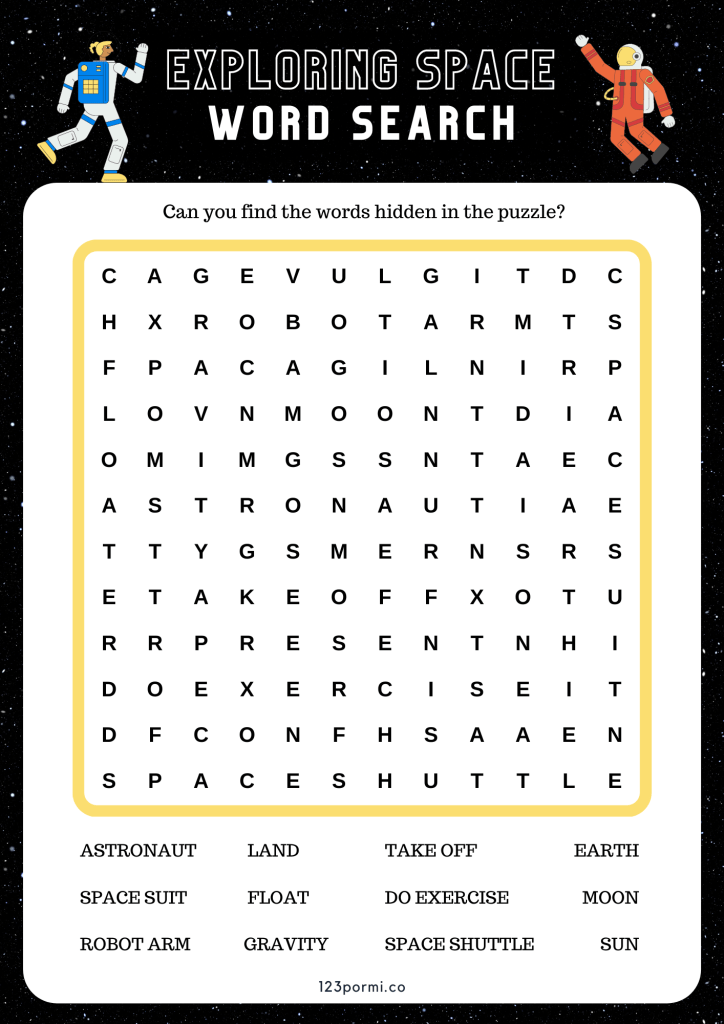
Counting puzzle

Under the sea Crossword

Recomendaciones de películas para niños
- Las películas de Sing y Sing 2: Estas películas nos enseñan a seguir nuestros sueños, a no rendirnos y permitir que nuestros amigos y familia nos ayuden a lograr esos sueños. Es buena para que los niños se sientan identificados con alguno de los personajes, ya que todos tienen historias de vida muy diferentes y tienen la oportunidad de salir adelante. Teniendo esto en cuenta es un gran musical que animará a nuestros hijos y los pondrá a cantar.
2. Turning Red: Esta es la historia de Mei y como debe vivir su día a día descubriendo un nuevo aspecto de su vida personal y familiar, es una buena historia para ver en familia y comprender contextos culturales diferentes. Ahora entrar a la adolescencia es una transición un poco más dificil de lo que era antes, esta es una buena película para conocer los primeros estados de esa transición.
3. Onward: Esta es una película de Pixar llena de fantasia y de una aventura increible de dos hermanos para recuperar a alguien que aman bastante, es el momento en el que descubren que todo el apoyo que necesitaban siempre lo han tenido en ellos mismo.
ASL for kids (Signs)
We would like to share an infographic that The bump made explaining the basic signs we could teach our babies, you can look for a video format for every single sing if you like.

ASL for kids: Video Recommendation
We looked for videos talking about the topic of our last article, and found one that really summarized all the important details about teaching our kids ASL.
ASL for kids
Babies have always found a way to get their messages across. Even before they are born they communicate through movements and respond to external stimuli. However, until they learn to talk and make their point of view clear, babies can become very frustrated. They know what they want, but getting their parents to understand this requires a high level of understanding. When they cry, they know they need to calm their anxiety, but they don’t have enough tools to communicate it. Usually when you become a parent they tell you it could be one of four reasons: He’s bored and wants to play, he’s hungry and wants to eat, he has sleepy or needs a diaper change. It is relatively easy to determine what they want if we attend to these four premises, but the reality is that as our children grow their world expands and with it their tastes and desires as well. Then there may come a day when he wants a bottle, but instead of milk, he wants water. What do we do on these occasions?
Supporters of sign language say that this technique offers a non-verbal and non-auditory means to help babies communicate with their parents and caregivers. Using many of the skills that have been designed for the hearing impaired community, parents can teach their babies to convey what they want using their hands just as parents use their voice, face and hands to communicate. Essentially, sign language is designed for babies to use the skills they instinctively have to help their parents understand them.
Sign language gives babies a way to communicate what they want before their verbal skills are sufficiently developed.
- May reduce frustration for babies who are otherwise unable to communicate.
- Sign language can help build confidence and self-esteem. Supporters say this is because the baby feels that her parents are making an effort to understand them and this makes the baby feel more self-confident.
- It can make the transition to spoken language easier. Sign language offers the possibility of a natural and easier transition to verbal language. Babies who are familiar with signing are more motivated to learn to speak.
Just as babies get frustrated, we as parents must keep in mind that this teaching process is like any other, it takes time, it takes repetition and determination on the part of the parents. We cannot expect our children to start using sign language after a week because it is something that takes a long time to be recognized by our children’s brains.
Some warnings for parents:
This is a process that can take months.
-It is a process that requires group support, every time your child is at the house of grandparents, cousins, friends or family, they must help to follow the guides and signs that are constantly being repeated.
-The most important thing that we must take into account is that the probability that our children sign as they have been taught is very difficult since their motor skills and control over their joints are just developing, so you must try to recognize the signs. Signs relating to the signs that you have taught your child and the signs that he is doing.

¿Qué es la lengua de señas para bebés?
Los bebés siempre han encontrado una manera de transmitir sus mensajes. Incluso antes de nacer se comunican a través de movimientos y responden a estímulos externos. Sin embargo, hasta que aprendan hablar y dejar claro su punto de vista, los bebés pueden sentirse muy frustrados. Ellos saben lo que quieren, pero conseguir que sus padres entiendan esto requiere un alto nivel de comprensión. Cuando ellos lloran, ellos saben que necesitan para calmar la ansiedad, pero no tienen las herramientas suficientes para comunicarlo, usualmente cuando llegas a ser padre te dicen puede ser una de cuatro razones: Esta aburrido y quiere jugar, tiene hambre y quiere comer, tiene sueño o necesita un cambio de panal. Es relativamente fácil determinar que quiere si atendemos a estas cuatro premisas, pero la realidad es que a medida que nuestros hijos crecen su mundo se amplia y con esto sus gustos y deseos también. Entonces puede llegar un día en el que quiere tetero, pero en lugar de leche, quiere agua. ¿Qué hacemos en estas ocasiones?
Los partidarios del lenguaje de señas dicen que esta técnica ofrece un medio no verbal ni auditivo para ayudar a los bebés a comunicarse con sus padres y cuidadores. Usando muchas de las habilidades que han sido diseñadas para la comunidad con discapacidad auditiva, los padres pueden enseñar a sus bebés a transmitir lo que quieren usando sus manos al igual que los padres usan su voz, su cara y sus manos para comunicarse. Esencialmente, el lenguaje de señas está diseñado para que los bebés usen las habilidades que instintivamente tienen para ayudar a sus padres a entenderlos.
El lenguaje de señas ofrece a los bebés un medio para comunicar lo que desean antes de que sus habilidades verbales se hayan desarrollado lo suficiente.
- Puede reducir la frustración de los bebés que de otro modo no pueden comunicarse.
- El lenguaje de señas puede ayudar a construir confianza y autoestima. Los partidarios dicen que esto se debe a que el bebé siente que sus padres están haciendo un esfuerzo para entenderlos y esto hace que el bebé se sienta más seguro de sí mismo.
- Puede hacer que la transición al lenguaje hablado sea más fácil. El lenguaje de señas ofrece la posibilidad de una transición natural y más fácil hacia el lenguaje verbal. Los bebés que están familiarizados con las señas tienen mayor motivación para aprender a hablar.
Así como los bebes se frustran, nosotros como padres debemos tener presente que este proceso de enseñanza es como cualquier otro, toma tiempo, toma repetición y determinación por parte de los padres. No podemos pretender que nuestros hijos después de una semana empiecen a usar lenguaje de señas porque es algo que toma mucho tiempo en ser reconocido por el cerebro de nuestros hijos.
Algunas advertencias para los padres:
-Esto es un proceso que puede tardar meses.
-Es un proceso que requiere apoyo grupal, cada que tu hijo este en casa de los abuelos, primos, amigos o familia ellos deben ayudar a seguir las guías y señales que se le vienen repitiendo constantemente.
-Lo más importante que debemos tener en cuenta es que la probabilidad de que nuestros hijos hagan la seña tal cual como se les ha enseñado es muy difícil ya que su motricidad y su control sobre sus articulaciones apenas se esta desarrollando entonces debes tratar de reconocer las señas haciendo relación a las señas que le haz enseñado a tu hijo y a las señas que el esta haciendo.

The importance of communicating with your children
I don’t know if it has happened to them, that they see a family with a baby and they are talking to it; and they think, but if this baby doesn’t understand anything why do they talk to him so much. Well, after years of deliberation, I have realized how important it is to talk to children even when they are 1 day old, not only because that helps the parent-child relationship, but because that communication is in charge of helping the mental and cognitive development of our children. We don’t realize it because they can communicate little to us, but they are sponges that absorb everything they can from their surroundings.
Since pregnancy, it is very important to talk to our baby, explain our emotions, tell them things. They understand more than we usually think, and constantly communicating something to them helps them retain information, helps them establish communication patterns, and helps them recognize words for their future vocabulary. Another very important thing, which is essential for the child, is to put words to what he knows, what he intuits or feels. They are closer to emotions, to the sensory-sensory world, they rationalize and intellectualize less than adults, they are more perceptive, this makes them aware of various situations that adults are often unaware of. For this reason it is good every time he is drinking water to tell him that this is water he is drinking, or every time he points to something tell him that it is the object, give him the name and repeat it constantly so that it becomes a pattern that he can remember in the future.
It is very common to hear parents say: “no, we don’t tell him anything because he is little and he doesn’t understand anything”. There are parents who do not tell their children what they are going to do or where they are going to go during the day, mothers who do not tell their babies that they are going to start working and that they are going to leave them in the care of another person, who do not They talk to him when some sad event happens. Children, no matter how young, understand through gestures, emotions and sometimes non-verbal communications, but not for this reason should we stop using them. It is important to involve our children in the day to day, that they understand what is to come and then capture what it is that we are telling them.
A child who is told, explained, given the opportunity to express himself, not only makes him feel more secure but also improves his self-esteem. They need to be listened to and deserve to be made to participate many times in the problems in which they are involved, they deserve to be respected as people. They are just as people as adults and deserve the same considerations. In this way, they are also trained in the very important exercise of communication: to express what happens to them, and before this, to be able to look at themselves and become aware of what happens to them as an a priori thing.
This is why we invite you to start conversations with your children, no matter how young they are, tell them all the details of the day, the schedule and the programming of their day to day that they will appreciate in the future.

La importancia de comunicarte con tus bebes
No se si les ha llegado a pasar, que ven a una familia con un bebé y le están hablando; y piensan, pero si este bebé no entiende nada porque le hablan tanto. Pues después de años de deliberación me he dado cuenta de lo importante que es hablarle a los hijos inclusive cuando tienen 1 día de nacidos, no solo porque eso ayuda a la relación de padres e hijos, sino porque esa comunicación es la encargada de ayudar al desarrollo mental y cognitivo de nuestros hijos. Nosotros no nos damos cuenta porque ellos poco nos pueden comunicar, pero son unas esponjas que absorben todo lo que pueden de su alrededor.
Desde el embarazo, es muy importante hablar con nuestro bebé, explicarles sobre nuestras emociones, irle contando cosas. Ellos comprenden más de lo que solemos pensar y comunicarles constantemente algo les ayuda a retener información, les ayuda a establecer patrones de comunicación y les ayuda a reconocer palabras para su futuro vocabulario. Otra cosa importantísima, que es esencial para el niño, es que se le ponga palabras a eso que él sabe, que intuye o presiente. Ellos están más cerca de las emociones, del mundo sensitivo-sensorial, racionalizan e intelectualizan menos que los adultos, son más perceptivos, esto hace que se den cuenta de diversas situaciones de las que muchas veces los adultos no tenemos conocimiento. Por esta razón es bueno cada que el este tomando agua decirles que eso es agua lo que el esta tomando, o cada vez que señale algo decirle que es el objeto, darle el nombre y repetirlo constantemente para que se convierta en un patrón que el pueda recordar en un futuro.
Es muy común oír a los padres decir: “no, no le decimos nada porque es chiquito y no entiende nada”. Hay padres que no le comunican a sus hijos que van a hacer o dónde van a ir en el día, mamás que no le cuentan a sus bebés que van a empezar a trabajar y que los van a dejar al cuidado de otra persona, que no le hablan cuando pasa algún suceso triste. Los niños por muy chiquitos entienden a través de gestos, emociones y en ocasiones comunicaciones no verbales, pero no por esta razón debemos dejar de usarlas. Es importante involucrar a nuestros hijos en el día a día, que ellos comprendan que esta por venir y capturen después que es eso que les estamos diciendo.
Un niño al que se le cuenta, se le explica, se le da oportunidad de expresarse, no solo lo hace sentir más seguro sino que también mejora su autoestima. Ellos requieren ser escuchados y merecen que uno los haga participar muchas veces de problemáticas en la que están involucrados, ellos merecen ser respetados como personas. Son tan personas como los adultos y merecen las mismas consideraciones. Así también se los entrena en el ejercicio importantísimo de la comunicación: de expresar lo que les pasa, y antes de esto, de poder mirarse a sí mismos y tomar conciencia de lo que les pasa como cosa a priori.
Es por esto que los invitamos a entablar conversaciones con sus hijos, por muy chiquitos que sean, cuéntenles todos los detalles del día, el horario y la programación de su día a día que lo agradecerán en el futuro.

 123 por mi