
Estimulación temprana en la infancia
La estimulación temprana es un pilar fundamental en el desarrollo infantil, ya que permite potenciar las habilidades cognitivas, emocionales, motoras y sociales de los niños desde sus primeros años de vida. Durante los primeros años, el cerebro tiene una plasticidad excepcional, lo que significa que está más receptivo a los estímulos del entorno y puede desarrollar conexiones neuronales que serán la base para futuros aprendizajes.
¿Qué es la estimulación temprana?
La estimulación temprana es el conjunto de actividades, experiencias y estrategias diseñadas para favorecer el desarrollo integral del niño desde su nacimiento hasta aproximadamente los seis años de edad. Estas actividades pueden incluir juegos, ejercicios físicos, interacción social y estimulación sensorial, todas enfocadas en fortalecer diferentes áreas del desarrollo infantil.
Beneficios de la estimulación temprana
- Desarrollo cognitivo: Ayuda a mejorar la atención, la memoria y la capacidad de resolución de problemas, lo que favorece el aprendizaje futuro.
- Desarrollo motor: Mediante actividades físicas adecuadas, los niños mejoran su coordinación, equilibrio y habilidades motrices finas y gruesas.
- Desarrollo emocional y social: Fomenta la seguridad, la autoestima y la capacidad de interactuar con otras personas, lo que facilita la socialización.
- Facilita el aprendizaje del lenguaje: La exposición temprana a sonidos, palabras y conversaciones promueve el desarrollo del lenguaje y la comunicación efectiva.
- Prevención de dificultades en el aprendizaje: Un niño que recibe estimulación temprana tiene más herramientas para afrontar los desafíos educativos y emocionales en etapas posteriores.
Estrategias para estimular a nuestros hijos
- Juego interactivo: Juegos de construcción, rompecabezas y juguetes sensoriales ayudan a desarrollar habilidades cognitivas y motoras.
- Lectura desde temprana edad: Leer cuentos y hablar con el niño favorece el desarrollo del lenguaje y la imaginación.
- Música y movimiento: Canciones, ritmos y bailes estimulan la coordinación, la memoria y la expresión emocional.
- Exploración sensorial: Dejar que los niños experimenten con diferentes texturas, colores y sonidos fortalece su desarrollo sensorial.
- Interacción social: Propiciar el contacto con otros niños y adultos ayuda a mejorar sus habilidades sociales y emocionales.
Investigación de artista

Episodio 2: Crecer es un rompecabezas
¿Cómo descubren los niños el mundo y construyen su forma de pensar?
En este episodio de Dialoguemos la Infancia nos adentramos en las teorías de Jean Piaget y Lev Vygotsky para entender cómo evoluciona la mente infantil desde el nacimiento hasta la adolescencia. Desde los primeros experimentos sensoriales, como lanzar objetos al suelo solo para ver qué pasa, hasta la capacidad de razonar sobre temas complejos, cada etapa del desarrollo es un universo de descubrimientos.
Piaget nos habla de cómo los niños aprenden a su propio ritmo, pasando por distintas fases cognitivas, mientras que Vygotsky nos recuerda la importancia del entorno social y la interacción en este proceso. ¿Qué significa esto para madres, padres y educadores? Que no solo se trata de enseñar a contar o leer, sino de acompañar, guiar y comprender que cada pregunta repetitiva—sí, incluso el eterno “¿por qué?”—forma parte de su aprendizaje.
Acompáñanos en esta conversación donde desmitificamos ideas, exploramos cómo los niños entienden el mundo y descubrimos por qué, para un niño de dos años, una galleta rota puede ser el peor drama imaginable.
Descubre el nuevo episodio en Spotify, Apple Podcast y en Youtube
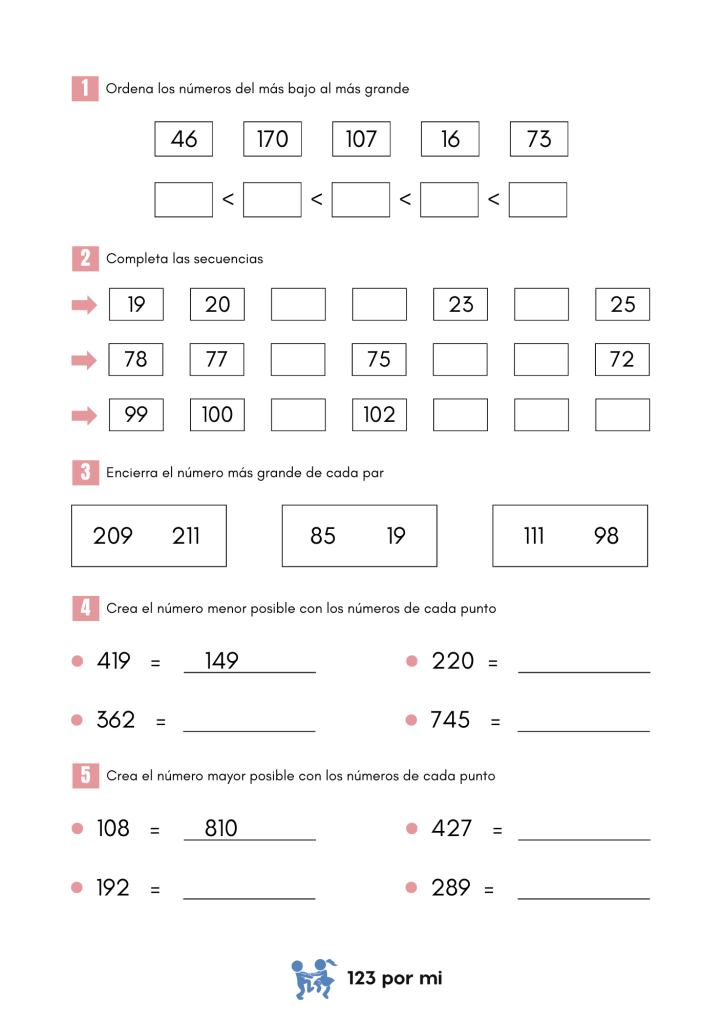
Relaciona las palabras con las fotos

Une cada animal con su nombre

Empareja los pajaros

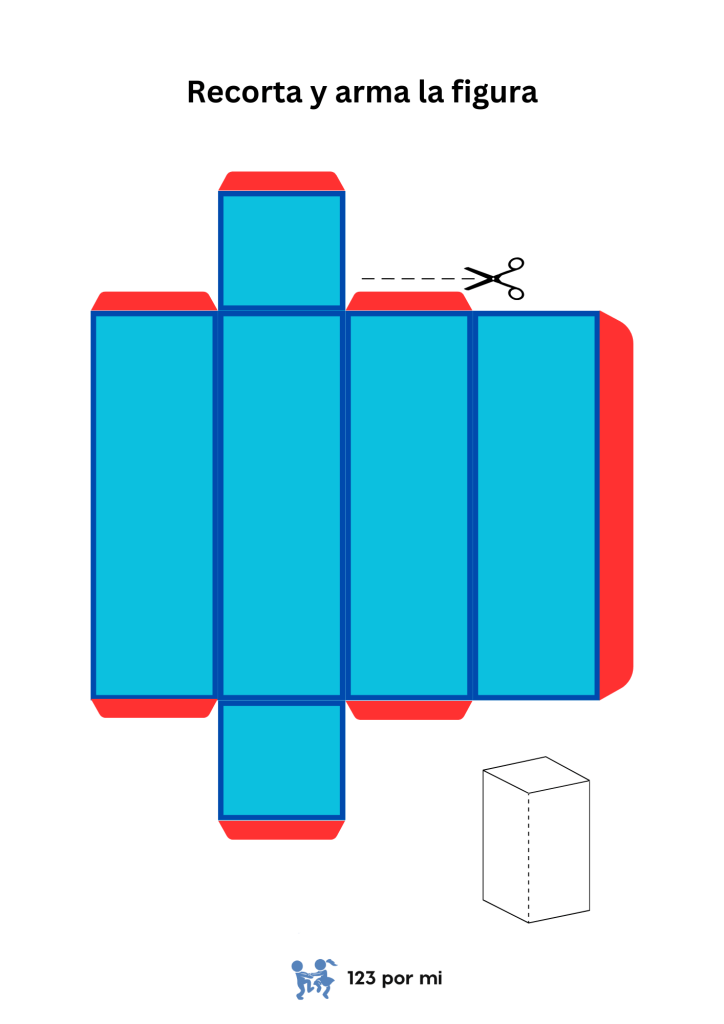
Recortar la figura

Recortar la figura
Chanelling your kids abilities
When we are little, we are not aware of how extraordinary we are. Everything is new to us, and we fail to recognize that some of our abilities are unique and wonderful. At that stage, we rely on our parents for extra support—to help us channel those skills they see awakening in us and guide them toward something positive. Whether it’s an artistic, scientific, or completely different talent, the more children explore the world, the more they discover, constantly recognizing new things that we, as adults, don’t tend to notice as often.
When we become parents, it’s hard to put ourselves back in our children’s shoes. After all, we have grown up, taken on new responsibilities, and sometimes prioritizing our children’s well-being from our adult perspective prevents us from seeing the world through their eyes.
But that’s normal—it happens to all of us. If we were perfect, life would be much easier, and everyone would have kids. However, there are moments when life puts challenges in our path, and sometimes that challenge is a puzzle. We can’t see the full picture until we finish putting it together, and all those pieces that didn’t seem to fit end up forming a beautiful image.
To talk about this topic, I want to share a story.
Pepe is a 6 or 7-year-old boy who is quite restless at school. Although he is very eager to learn, his parents constantly receive calls because he struggles to concentrate in class and ends up distracting his classmates. His parents think this is relatively normal—“He’s just a kid with extra energy,” they assume, so they don’t give it much importance. They simply tell him to pay more attention in class and continue with their daily routine.
In the afternoons, Pepe attends a tutoring group where he gets help with his homework. One day, he arrives more anxious than usual. And who wouldn’t be? His parents scolded him, and he doesn’t quite understand what he did wrong. His teacher notices his long face and asks what’s wrong.
«I got scolded today because they say I get distracted a lot in class,» Pepe responds sadly.
The teacher, who knows him well, is surprised. She knows that Pepe is an attentive and curious child, so something doesn’t add up. Then, she asks him a key question:
«Do you feel like you get distracted? What do you think your teacher sees when you’re not paying attention?»
Pepe thinks for a moment. It’s not an easy question for a child so young, but he does his best and responds:
«Whenever I’m in math class and they give me a problem, I draw it in my mind to solve it. It makes it much easier for me, but I think I take too long to answer, and the teacher believes I’m thinking about something else.»
«And what about Spanish class?» the teacher asks.
«I always try to draw the theory so I won’t forget it. Look!»
Pepe shows the teacher a very nice drawing. At first glance, it might seem like just a doodle, but in reality, Pepe was illustrating sentence structure: the subject, the verb, and the predicate. It was at that moment that the teacher had a revelation.
I want to pause the story here so each reader can draw their own conclusions for a moment. Not everyone would notice this right away.
Now, before reaching a small conclusion, I want to mention something important. Our whole lives, we’ve been presented with school as a vertical learning system: every year, we move up a level, we must learn the same subjects in childhood, and if we succeed in this system, we will be intelligent and acquire basic life knowledge. And indeed, school is valuable and provides us with wonderful learning experiences. BUT—and this is key—it doesn’t always channel our abilities in the best way for us to learn effectively.
We’ve often talked about how every child is a different world. In the same way, not all children learn at the same pace or with the same methods. It’s understandable that in a school setting, it’s difficult to personalize education for every student, and it’s also understandable that teachers struggle to identify each student’s unique skills when they have so many to take care of.
What I want to say with all this is that Pepe was not inattentive, hyperactive, or lacking discipline. Pepe had simply discovered a way to learn that no one had taught him—through drawing.
Sometimes, we find it difficult to step away from traditional methods and explore new ways of teaching because we don’t know what lies beyond. But I believe today’s call to action is simple: let’s listen more to our children. Let’s ask questions, even if we’re not sure they’ll have an answer. They might surprise us.
If we notice that our children are struggling with learning, let’s observe. Before assuming that “he’s just not focused” or “he doesn’t pay attention,” let’s ask ourselves: could it be that the school’s teaching method is not the best fit for him? Let’s put ourselves in their shoes. Let’s remember what it was like to be in school and ask ourselves: If my skills had been channeled differently, where would I be today?
 123 por mi