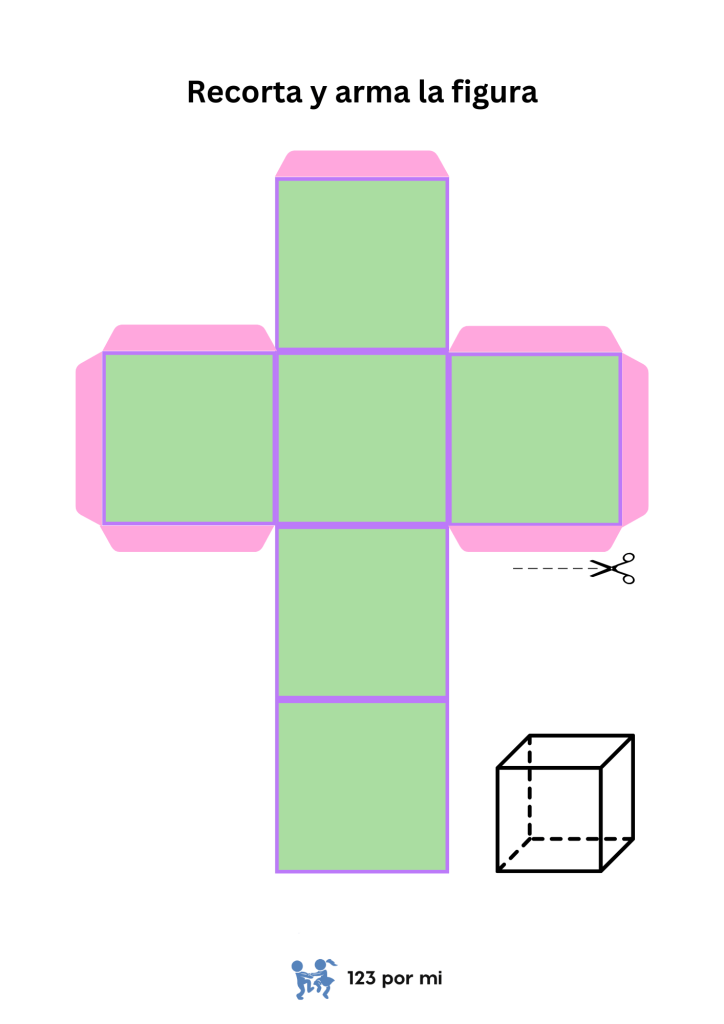
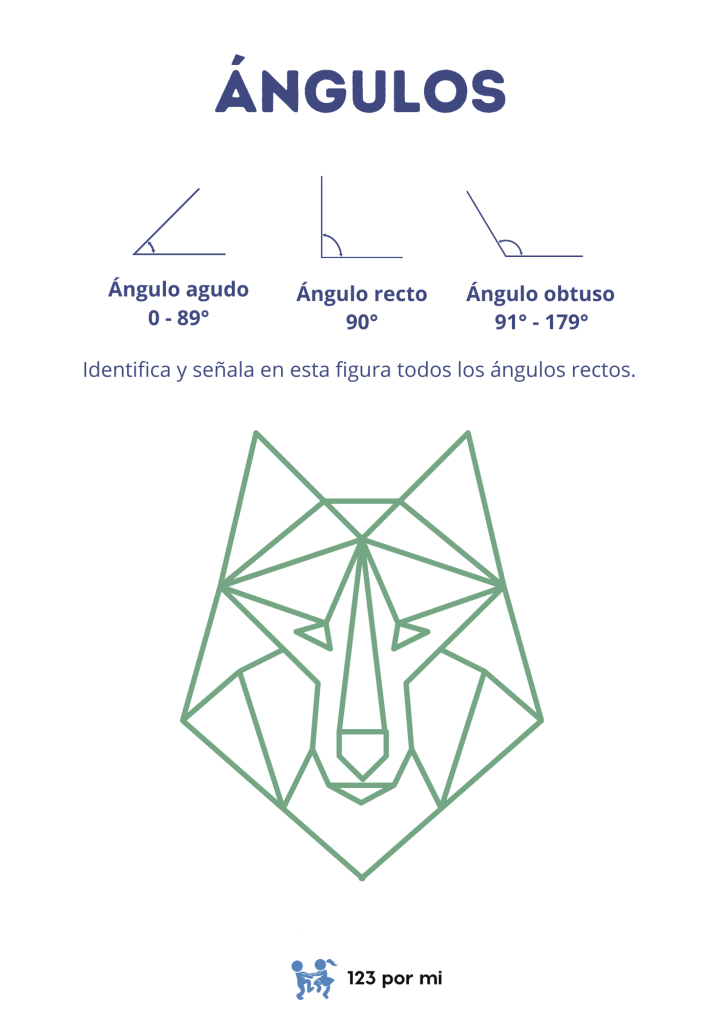
Completa los ángulos
Actividad días de la semana

Clasifica las palabras
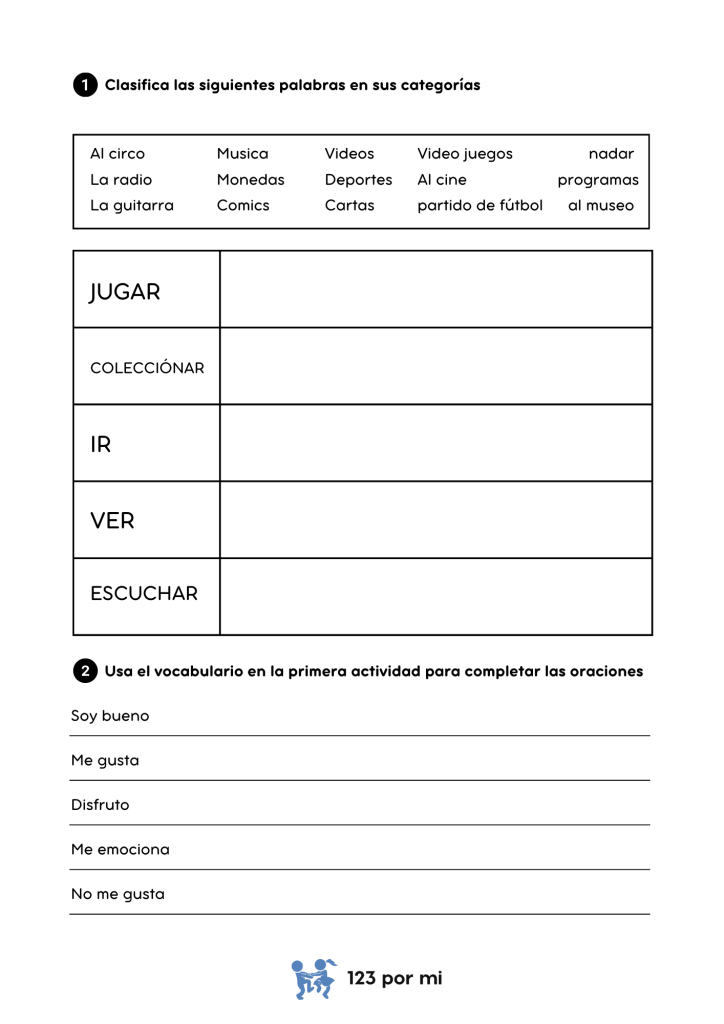
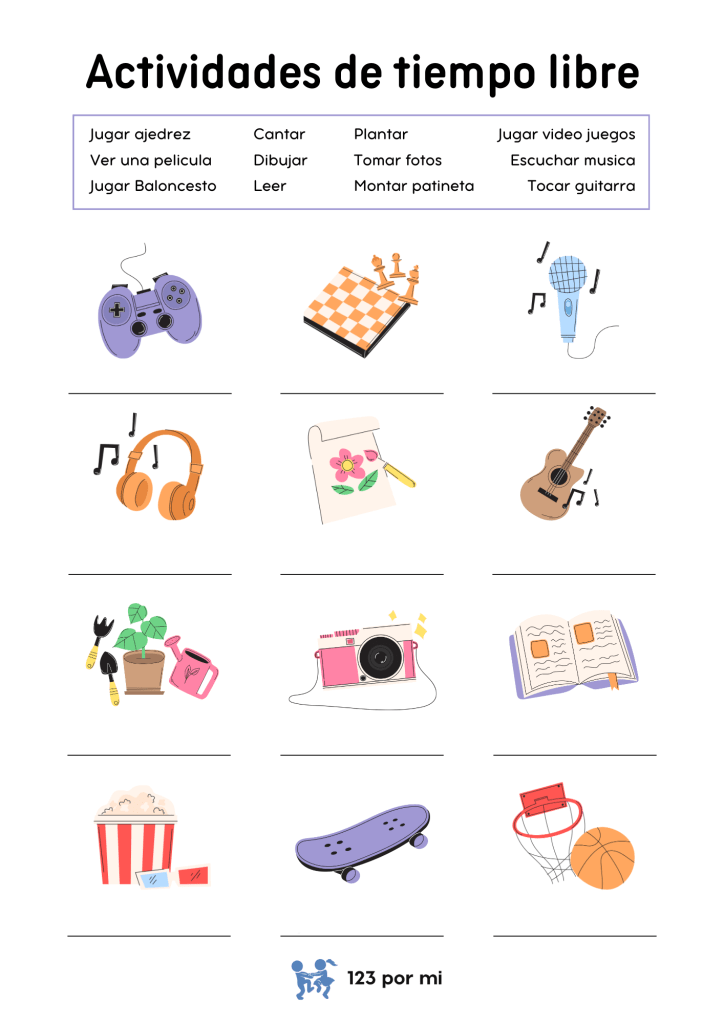
Actividades de tiempo libre
Being a parent isn’t easy
If life came with an instruction manual, I’m sure parents would be the first to order it on Amazon with express shipping. But the reality is that raising a child is the equivalent of assembling an IKEA piece of furniture—without tools, without instructions, and with extra pieces you don’t know where to put (but that, mysteriously, were actually necessary).
Growing up, it was easy to think that adults had everything figured out. And why wouldn’t we? They knew exactly how to order a pizza over the phone, how to book a doctor’s appointment, how to fill out any form, and why we weren’t supposed to swim on a full stomach. But then you grow up and realize that your parents were just improvising with the best confident face they could put on. Turns out adulthood doesn’t come with a magical epiphany that suddenly makes you know everything—it comes with a series of attempts, mistakes, and lessons learned along the way.
From a daughter’s perspective, I’ve come to understand that being a parent is an impossible equation to solve. And I don’t say that lightly or in a negative way, but because each child is a whole world of their own—with their quirks, their emotional needs that change like the phases of the moon, and their inexplicable traumas (like an irrational fear of clowns, the closet monster that doesn’t exist, or simply broccoli). There’s no single way to be a good parent because there’s no single way to be a child. And what worked for one child probably won’t work for another. So it’s not just that there’s no manual—if there were, it would need to be rewritten in every household, in every generation, and sometimes, every Monday morning.
Lately, I’ve become more observant than usual. Maybe it’s growing up, being around a new baby, or simply that I’ve come to reflect on and appreciate my parents’ efforts more. But I’ve realized that no one really knows what they’re doing when they’re handed a brand-new life to care for. Think about it: I’ve heard so many pieces of advice given to mothers—generations of opinions that sometimes contradict each other—and, to be honest, I don’t even know how accurate or true they are.
My existential self wonders as I write this: What did my parents do to make me turn out the way I did? How much of my development was my own doing? Did not watching TV on weekdays help? What would I be like if I liked mushrooms? What if every aspect of my personality were different? Who gets the credit for a good upbringing? NO ONE! No one has the «right» way to raise a child. And surely one of the biggest questions a soon-to-be parent has is: How am I going to make sure this person, whose life is in my hands, grows up to be a good human being?
One of the moments that truly made me understand this was when I realized that my parents weren’t just “my parents.” They were people. People with their own fears, insecurities, postponed dreams, and days when they probably didn’t want to deal with my tantrums because they were going through their own crises. People who, aside from being parents, were individuals with responsibilities, bills to pay, work problems, and days when they simply couldn’t take it anymore. And yet, there they were—trying their best, even when no one was telling them if they were doing it right.
There’s no manual because every family is a unique social experiment where no one really knows what they’re doing, but everyone is trying their best. Some days you win, some days you survive, and most days you just learn. In a parent’s life, the important thing is to be present, to learn to apologize when necessary, and to laugh at the mistakes when possible.
So if you’re a parent, guardian, or responsible for someone and you feel lost, remember this: everyone is. There’s no exact rhyme or reason to raising a child because every child changes the rules of the game. And if you ever doubt whether you’re doing a good job, think about this: the simple fact that you worry about it says a lot. In this crazy journey of parenting, love (and a good dose of patience) is the closest thing to a reliable compass.
And if all else fails, there’s always the option to pretend you know what you’re doing—just like our parents did with us. 😉
Ser padre no tiene manual
Si la vida viniera con un manual de instrucciones, estoy segura de que los padres serían los primeros en pedirlo en Amazon con envío express. Pero la realidad es que criar a un hijo es el equivalente a armar un mueble de IKEA: sin herramientas, sin instrucciones y con piezas de sobra que no sabes dónde van (pero que, misteriosamente, sí eran necesarias).
Creciendo, era fácil pensar que los adultos lo tenían todo resuelto. ¿Y cómo no? Sabían exactamente como pedir una pizza por telefono, cómo sacar una cita medica, cómo llenar cualquier formulario y por qué no debíamos nadar con el estomago lleno. Pero luego creces y te das cuenta de que tus padres estaban improvisando con la mejor cara de confianza que podían fingir. Resulta que la adultez no viene con una epifanía mágica; que de repente cuando naces les hace saberlo todo, sino con una serie de intentos, errores y aprendizajes en el camino.
Desde la perspectiva de una hija, con el tiempo he llegado a entender que ser padre es una ecuación imposible de resolver, y no crean que lo digo a la ligera; ni de una mala manera. Sino porque cada hijo es un mundo, con sus propias manías, sus demandas emocionales que cambian con las fases de la luna, y sus traumas inexplicables (como el miedo irracional a los payasos, al monstruo del closet que no existe o simplemente al brócoli). No hay una única manera de ser buen padre, porque no hay una única manera de ser hijo. Y, además, lo que funcionó con un hijo probablemente no funcione con otro. Así que no es solo que no haya manual, sino que, si lo hubiera, necesitaría ser reescrito en cada hogar, en cada generación y, a veces, cada lunes por la mañana.
Últimamente me he convertido en una persona más observadora de lo normal. Quizá sea el crecer, el rodearme de un nuevo bebé o simplemente porque he llegado a reflexionar y valorar más el esfuerzo de mis padres. Pero me he dado cuenta de que nadie sabe qué hacer cuando tiene en sus manos la vida de una persona nueva en este planeta. Pensemoslo de esta manera: he escuchado múltiples consejos que dan a las madres, diferentes generaciones de opiniones que, de vez en cuando, se contradicen y que, siendo muy honesta, no sé qué tan reales y acertadas sean.
Mi yo existencialista se pregunta al escribir esto: ¿Qué hicieron mis padres para que saliera como salí? ¿Qué tanto aporté yo en mi desarrollo? ¿Ayudó no ver televisión entre semana? ¿Qué sería de mí si me gustaran los champiñones? ¿Qué pasaría si de repente cada aspecto de mi personalidad fuera diferente? ¿A quién le damos la razón de la buena crianza? A NADIE! Nadie tiene la razón a la hora de criar un hijo. Y seguro una de las dudas más grandes de una persona que espera un bebé es: ¿cómo voy a hacer para que esta persona, que va a tener su vida en mis manos, crezca y sea un buen ser humano?
Uno de los momentos en que realmente entendí esto fue cuando me di cuenta de que mis padres no eran solo «mis papás». Eran personas. Personas con sus propios miedos, inseguridades, sueños postergados y días en los que probablemente no querían lidiar con mis berrinches porque también tenían sus propias crisis. Personas que, además de ser padres, eran individuos con responsabilidades, con cuentas por pagar, con problemas en el trabajo y con días en los que simplemente no podían más. Y, sin embargo, ahí estaban, intentando hacer lo mejor posible, incluso cuando nadie les decía si lo estaban haciendo bien.
No hay manual porque cada familia es un experimento social único, donde nadie sabe realmente qué está haciendo, pero todos intentan lo mejor que pueden. Algunos días se gana, otros se sobrevive, y en la mayoría simplemente se aprende. En la vida de un padre lo importante es estar presente, aprender a pedir perdón cuando sea necesario y reírse de los errores cuando se pueda.
Así que si eres padre, guardian, responsable de una persona y te sientes perdido, recuerda esto: todos lo están. No hay rima ni razón exacta para criar a un hijo, porque cada hijo cambia las reglas del juego. Y si alguna vez dudas de si lo estás haciendo bien, piensa en esto: el simple hecho de preocuparte ya dice mucho. En esta locura de la crianza, el amor (y una buena dosis de paciencia) es lo más cercano a una brújula confiable.
Y si todo lo demás falla, siempre está la opción de fingir que sabes lo que haces… como lo hicieron nuestros padres con nosotros. 😉
Angles on a straight line

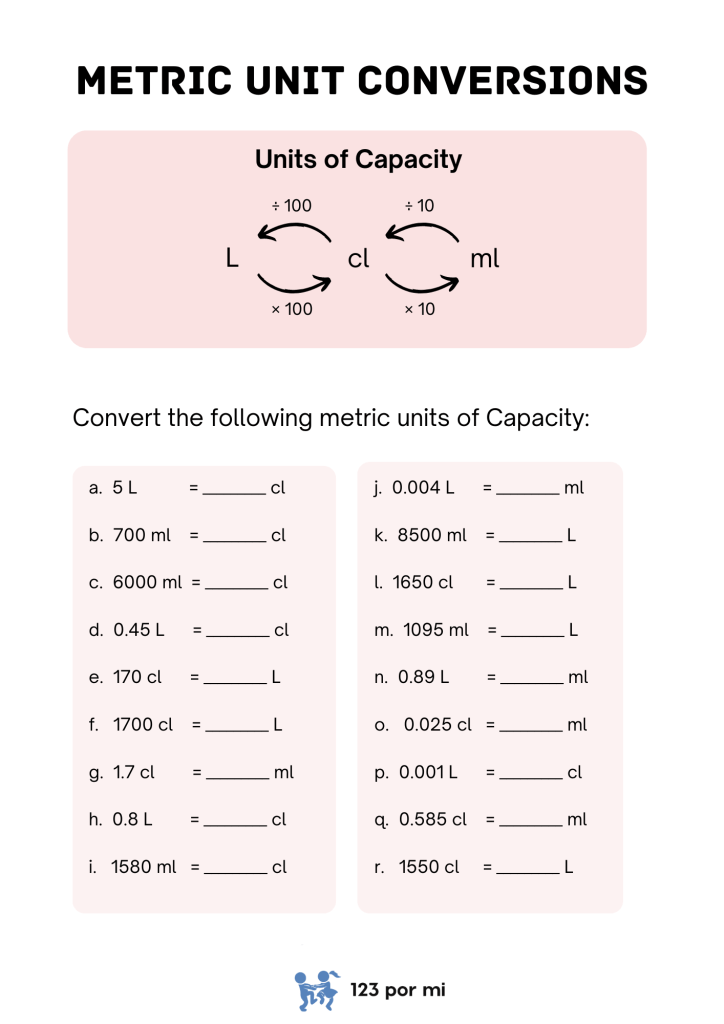
Metric unit conversions
Gross motor skills
Gross motor skills are critical to children’s physical and motor development and refer to skills that involve large, coordinated movements of major body muscles, such as those of the legs, arms, and torso. These movements are essential for performing everyday activities and for a child’s overall development. Gross motor skills include skills such as walking, running, jumping, and climbing, which are crucial for growth and physical well-being. Here we explore some activities and strategies to encourage gross motor skills in children and how they contribute to their overall development.
Sigue leyendo «Gross motor skills» 123 por mi