
¿Qué encuentra un niño al seguir el camino de baldosas amarillas?
El Mago de Oz parece, a simple vista, una historia de brujas, tornados, espantapájaros y un perrito muy comprometido con la trama. Pero cuando lo miramos con ojos de psicología infantil (esos que se ponen cuando uno se agacha para ver el mundo desde un metro veinte), el libro de L. Frank Baum se transforma en un mapa emocional, en un cuento iniciático, en una gran metáfora sobre crecer y descubrir quién eres.
Para un niño o una niña, el tornado no es solo viento y caos: es el símbolo de esos momentos en que el mundo se pone patas arriba. Un cambio de casa, el nacimiento de un hermano, el primer día en un colegio nuevo… ¡zas! Tornado. Todo se mueve, todo da vueltas y de pronto ya no estás en Kansas. Estás en un lugar extraño donde las reglas son nuevas, la gente canta demasiado y los zapatos te los dan sin preguntar talla. Bienvenido a Oz.
Y es que, a lo tonto, Dorothy no solo aterriza en otro mundo. Aterriza en la metáfora más grande de la infancia: ese lugar donde todo es posible, pero donde también hay que aprender a tomar decisiones, a confiar en otros, a enfrentarse a miedos y, sobre todo, a descubrir que uno tiene más fuerza de la que creía.
El viaje por el camino de baldosas amarillas es, en realidad, un viaje hacia adentro. Y eso los niños lo captan mejor que nadie. A cada paso, Dorothy se encuentra con personajes que dicen necesitar algo: un cerebro, un corazón, valor. ¿Y qué hacen los niños al ver esto? Se identifican. Porque ellos también están construyendo sus ideas, sus emociones, su autoestima. Están preguntándose si son lo suficientemente listos, si lo que sienten está bien, si tendrán el coraje para ser ellos mismos en un mundo que muchas veces les exige ser otra cosa.
El Espantapájaros cree que necesita un cerebro, pero es el más creativo del grupo. El Hombre de Hojalata cree no tener corazón, pero es el más sensible y solidario. El León se siente cobarde, pero cuando hay que rugir, ruge con todo. Y Dorothy… bueno, Dorothy solo quiere volver a casa. Pero en el fondo, también está aprendiendo que la casa no es solo un lugar físico, sino ese lugar dentro de ti donde te sientes a salvo.
Y aquí está lo más bonito: los niños entienden que ya tienen lo que creen que les falta. Que a veces solo necesitan que alguien les acompañe en el camino, les escuche sin juzgar y les diga “tú puedes” sin ponerlo en una camiseta motivacional.
Además, El Mago de Oz no tiene miedo de hablar de lo que asusta. Hay brujas malas, monos voladores, engaños, momentos en los que todo parece perdido. Y eso también es importante. Porque la infancia no es solo arcoíris (aunque haya uno muy famoso en esta historia). Es también frustración, miedo, enojo, confusión. Y cuando un cuento los incluye sin suavizarlos en exceso, les da a los niños herramientas para nombrarlos y atravesarlos.
Por eso, cuando al final se revela que el Mago no es tan mago, sino un señor con buen manejo de efectos especiales, los niños no se decepcionan: se empoderan. Descubren que muchas veces las respuestas no están en una figura grandiosa, sino en ellos mismos. Que la magia no siempre viene de afuera, sino que se construye con pasos, amigos y zapatos bien puestos.
Y claro, esos zapatos. Esos zapatos brillantes que no solo sirven para caminar, sino para recordarles que a veces lo que buscamos afuera ya lo llevamos puesto. Que el poder de volver a casa, de encontrarse, de ser, siempre estuvo ahí. Solo había que hacer clic.
Así que la próxima vez que un niño lea El Mago de Oz, no le digas que es solo un cuento de aventuras. Es un mapa emocional, una invitación a conocerse, un espejo con brillos. Y mientras recorre ese camino amarillo, aunque tropiece, aunque tenga miedo, aunque dude… está creciendo. Está encontrando su propio Kansas, con todo y su Toto.
Nuevo episodio Dialoguemos la infancia
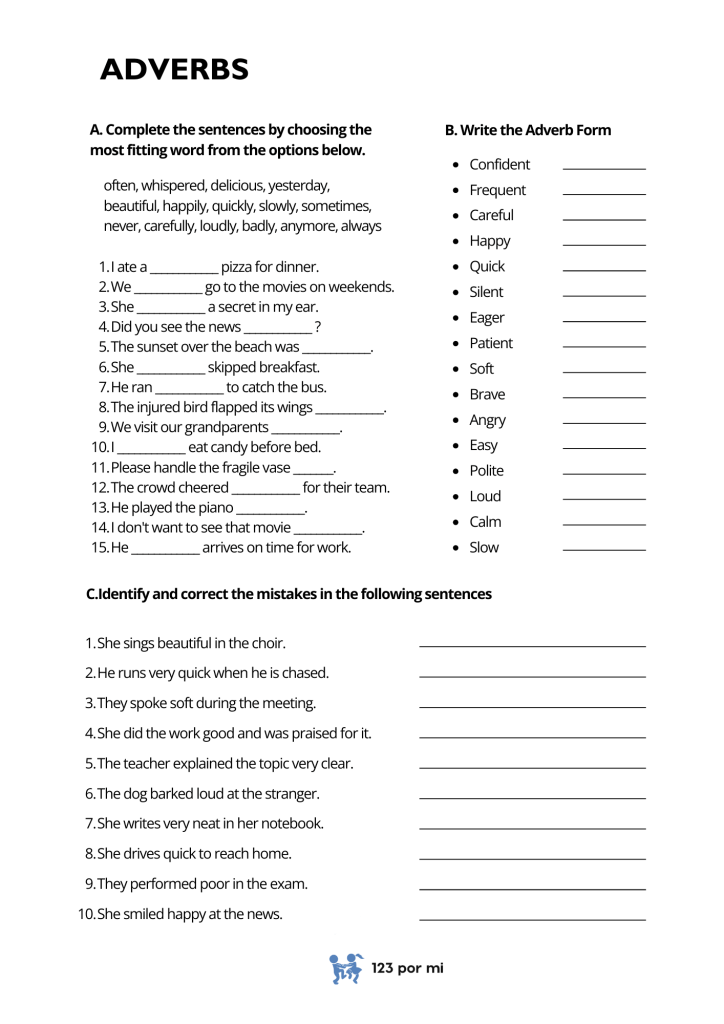
Adverbs
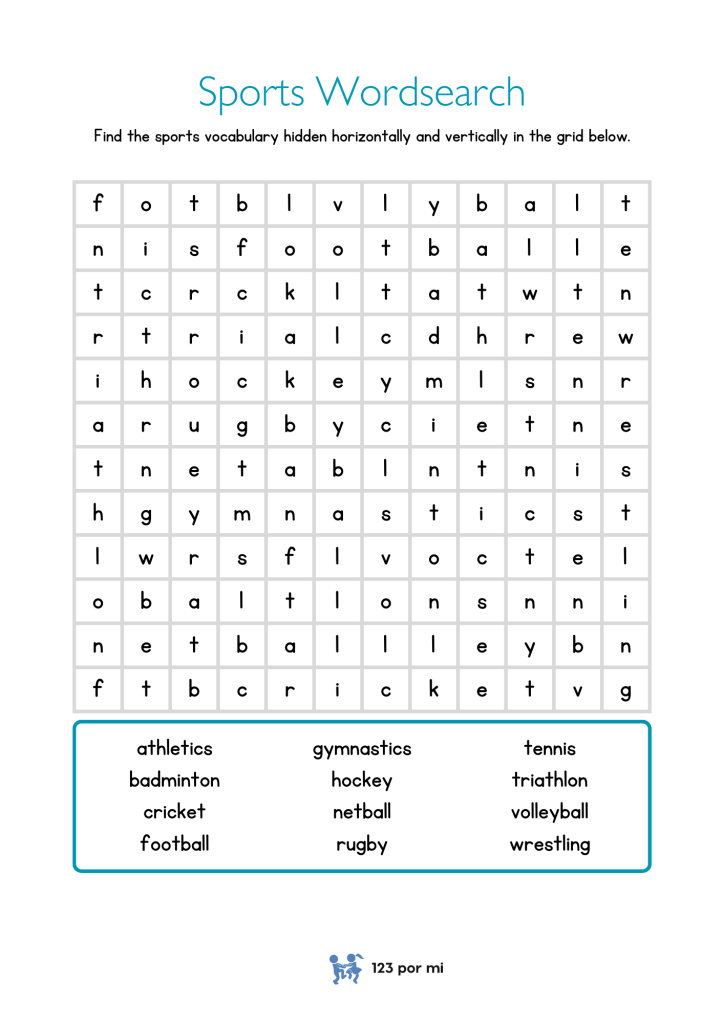
Sports wordsearch
Write in alphabetical order
The formal operational stage
The formal operational stage, according to Jean Piaget, begins around the age of 12 and extends into adulthood. This is when a child’s brain (now on the verge of adolescence) undergoes a kind of «software update» and suddenly starts thinking in a logical, abstract, and systematic way. It’s no longer just about understanding that two differently shaped glasses can hold the same amount of juice — it’s about pondering existential dilemmas, questioning social justice, challenging established rules… and, of course, debating you like a constitutional law expert (even if they still can’t find their socks).
In this stage, adolescents develop what Piaget called hypothetico-deductive reasoning. This means they no longer need to see something to understand it: they can imagine situations, form hypotheses, and predict outcomes. It’s when they start saying things like, “If all humans were invisible, how would we know we exist?” while you’re just trying to get them to eat dinner. It’s also the era of ambitious projects: today they want to be musicians, tomorrow astronauts, and the next day environmental activists — all while rehearsing a TikTok dance routine.
Egocentrism doesn’t entirely disappear, but it changes shape. They no longer believe the world literally revolves around them; instead, they feel like everyone is watching and judging their every move. This is known as the imaginary audience: the belief that they’re constantly under observation. That’s why they choose their outfits with the precision of a designer at Fashion Week and can spend hours deciding if their post has the right number of emojis. Enter the personal fable: the idea that their experiences are completely unique, incomparable, and that no one (especially you) could possibly understand them — even if you just asked them to turn down the music.
From Vygotsky’s perspective, the social environment remains key. Even though adolescents are now more capable of learning on their own, they still need dialogue, guidance, and interaction with adults and peers to shape their thinking. The famous Zone of Proximal Development now becomes filled with debates, reasoned arguments, and intellectual challenges. Relationships with parents, teachers, friends, and even public figures begin to shape their worldview. That’s why a seemingly casual conversation about politics or movies can turn into a passionate defense of human rights, indie cinema, or the moral superiority of cats over dogs.
Academically, this stage is when many essential skills become solid: understanding complex texts, solving multi-variable math problems, and analyzing information from different perspectives. They can now grasp metaphors, irony, and double meanings (which makes conversations either much more fun… or much more confusing if you use sarcasm too lightly).
It’s also the time when identity begins to take clearer form. They no longer just imitate those around them — they choose who they want to be like. They research, explore, and try out different versions of themselves. Today they’re vegetarian, tomorrow Buddhist, and the next day back to being a die-hard fan of a K-pop band. And in the midst of all these changes, parents remain a fundamental compass, even if it doesn’t always seem that way. Supporting them without imposing, listening without judging, and being present without invading becomes a high-level skill (and yes, it may require a lot of chocolate and deep breathing).
Speaking of high-level skills, we reach a critical point in this journey: the cookie. Because even though they can now solve quadratic equations and discuss climate change, if someone breaks a cookie in half without consulting them, it might spark a diplomatic conflict of international proportions. Not because they don’t understand it’s still the same cookie, but because now they want to decide how it’s broken, who it’s shared with, and whether that cookie represents a symbolic act of respect. At this stage, every cookie counts… especially if there’s a camera nearby and they want to make a speech about the fair distribution of household resources.
So yes, adolescence can feel like an emotional rollercoaster, but it’s also a wonderful stage where the doors to complex thought, reflection, and ideal-building begin to open. All it takes is patience, a sense of humor… and plenty of evenly divided cookies.
La etapa de operaciones formales
La etapa de operaciones formales, según Jean Piaget, comienza alrededor de los 12 años y se extiende hasta la adultez. Aquí es cuando el cerebro del niño (ya casi adolescente) hace una especie de «actualización de software» y, de repente, empieza a pensar de forma lógica, abstracta y sistemática. Ya no se trata solo de entender que dos vasos con diferente forma pueden contener la misma cantidad de jugo, sino de plantearse dilemas existenciales, preguntarse por la justicia social, cuestionar las reglas establecidas… y, por supuesto, debatir contigo como si fueran expertos en derecho constitucional (aunque todavía no sepan dónde dejaron sus medias).
En esta etapa, los adolescentes desarrollan lo que Piaget llamó pensamiento hipotético-deductivo. Esto significa que ya no necesitan ver algo para entenderlo: pueden imaginar situaciones, hacer hipótesis y predecir resultados. Es el momento en el que empiezan a decir cosas como: «Si todos los humanos fueran invisibles, ¿cómo sabríamos que existimos?», mientras tú solo intentas que se coman su cena. También es la fase de los proyectos ambiciosos: hoy quieren ser músicos, mañana astronautas y pasado mañana activistas ecológicos, todo mientras ensayan una coreografía para TikTok.
El egocentrismo no desaparece del todo, pero cambia de forma. Ya no creen que el mundo gira a su alrededor de forma literal, sino que sienten que todos los ojos están puestos sobre ellos. Esto se conoce como la «audiencia imaginaria»: la creencia de que todos los están observando, juzgando y analizando cada paso que dan. Por eso eligen su ropa con la precisión de un diseñador en Fashion Week y pueden pasar horas decidiendo si su post en redes sociales tiene la cantidad adecuada de emojis. También aparece la «fábula personal»: la idea de que sus experiencias son únicas, incomparables y que nadie los entiende (especialmente tú, que simplemente les pediste que bajaran el volumen a la música).
Desde la perspectiva de Vygotsky, el entorno social sigue siendo clave. Aunque el adolescente ya tiene una capacidad mayor para aprender por sí mismo, sigue necesitando del diálogo, la guía y la interacción con adultos y pares para construir su pensamiento. La famosa Zona de Desarrollo Próximo ahora se llena de debates, discusiones argumentadas y desafíos intelectuales. La relación con padres, maestros, amigos y hasta figuras públicas comienza a moldear sus ideas sobre el mundo. Por eso, una conversación aparentemente casual sobre política o cine puede convertirse en una apasionada defensa de los derechos humanos, el cine independiente o la superioridad moral de los gatos sobre los perros.
A nivel académico, esta etapa es cuando se consolidan muchas habilidades esenciales: comprender textos complejos, resolver problemas matemáticos con varias variables, analizar información desde diferentes perspectivas. Ya pueden entender metáforas, ironías y dobles sentidos (lo cual puede hacer que las conversaciones sean mucho más divertidas… o mucho más confusas si decides usar sarcasmo a la ligera).
También es el momento en el que su identidad comienza a definirse con más claridad. Ya no solo imitan a sus figuras cercanas: ahora escogen a quién quieren parecerse. Investigan, exploran, prueban distintas versiones de sí mismos. Hoy son vegetarianos, mañana budistas, y pasado otra vez fans de una banda coreana. Y en medio de todos estos cambios, los padres siguen siendo una brújula fundamental, aunque muchas veces no lo parezca. Acompañarlos sin imponer, escuchar sin juzgar y estar presentes sin invadir, se convierte en una habilidad de nivel experto (y sí, puede requerir mucho chocolate y respiración profunda).
Y hablando de habilidades de alto nivel, llegamos a un punto crítico en esta historia: la galleta. Porque aunque ya tienen la capacidad de resolver ecuaciones de segundo grado y discutir sobre el cambio climático, si alguien parte una galleta a la mitad sin consultarles, puede desencadenarse un conflicto diplomático de proporciones internacionales. No porque no entiendan que sigue siendo la misma galleta, sino porque ahora quieren decidir cómo se parte, con quién se comparte, y si esa galleta representa o no un acto simbólico de respeto. Porque en esta etapa, cada galleta cuenta… especialmente si hay una cámara cerca y quieren hacer un discurso sobre la importancia del reparto justo de los recursos en el núcleo familiar.
Así que sí, la adolescencia puede parecer una montaña rusa emocional, pero también es una etapa maravillosa donde se abren las puertas al pensamiento complejo, la reflexión y la construcción de ideales. Solo hay que tener paciencia, buen humor… y muchas galletas bien repartidas.
 123 por mi