

Peter Pan: crecer, volar y sobrevivir emocionalmente en calzoncillos verdes
Ese niño que no quería crecer y que, francamente, lo entendemos. Responsabilidades, impuestos, juntas de padres de familia, «ya no hay galletas», ¿quién no quisiera quedarse para siempre en el país de Nunca Jamás con un par de hadas y una espada imaginaria? Pero detrás de esta historia mágica y voladora hay muchas capas que, desde la psicología infantil, nos permiten entender las emociones, fantasías y temores que acompañan a los niños cuando empiezan a enfrentarse al misterioso mundo de “hacerse grandes”.
Desde el imaginario infantil, Peter Pan es una oda al juego, a la libertad y a la imaginación sin límites. En Nunca Jamás, los niños vuelan, pelean contra piratas, tienen mascotas cocodrilo y comen sin lavarse las manos. ¿Qué más se puede pedir? Es el mundo donde las reglas adultas no existen. Pero justamente por eso, este cuento nos habla también de lo que implica huir del crecimiento, de evitar el dolor que trae madurar y de las emociones que surgen cuando se empieza a sospechar que tal vez, solo tal vez, hay cosas que duelen más que una pelea con el Capitán Garfio: como decir adiós a la infancia.
Peter no quiere crecer, pero no es solo porque le da flojera pagar servicios públicos. Es porque crecer significa perder cosas: la capacidad de jugar sin restricciones, la ilusión de que el mundo gira a nuestro alrededor, el derecho a equivocarse sin consecuencias. Muchos niños —sobre todo en etapas de cambio o crisis— se identifican profundamente con esa resistencia. Peter Pan se convierte en ese personaje que les dice: “no estás solo en esto de querer quedarte en el mundo donde todo es posible”.
Y ahí entra Wendy, quien representa ese puente entre el juego eterno y la vida con estructura. Ella no lo dice con esas palabras, pero básicamente es la voz de la madurez emocional: la que cuida, la que escucha, la que enseña a los Niños Perdidos que también hay espacio para los vínculos, el afecto y (respiremos profundo) las responsabilidades. Wendy no deja de ser niña por cuidar, ni deja de jugar por asumir un rol más protector. Ella es la prueba viviente de que crecer no significa dejar de soñar, sino aprender a aterrizar un poco… aunque sea en una nube.
Y hablando de emociones, ¿qué es Campanita sino la encarnación de los celos, el ego, la lealtad y los enredos internos de cualquier niño (y adulto)? Ese personaje tan chispeante como explosivo nos recuerda que sentir muchas cosas a la vez es normal, y que el amor no siempre es simple ni lineal. Como buena hada, es volátil y desbordada, justo como muchas emociones que los niños todavía no saben nombrar pero sí sienten con toda la intensidad del universo.
Peter Pan nos permite hablar con los niños sobre la importancia del juego, sí, pero también sobre los cambios, los miedos, los vínculos y las decisiones. Porque aunque Peter vuela sin crecer, la mayoría de los niños sí tendrán que hacerlo. Y nosotros, como adultos acompañantes, tenemos el desafío de hacer que ese viaje no sea tan aterrador como el del Jolly Roger, sino más parecido a una aventura con escalas entre la ternura, la paciencia y mucho acompañamiento.
Al final, Peter Pan nos enseña que volar no es solo cosa de hadas: es también una metáfora preciosa sobre la imaginación, la libertad emocional y la búsqueda de un lugar donde uno se sienta amado, seguro y acompañado. Y si tenemos que crecer (que sí, ni modo), ojalá sea con un poquito de polvo de hadas, una pizca de juego, y muchos adultos que sepan que crecer no es dejar de ser niños… sino aprender a recordarlo con más amor que nostalgia.
Selecciona el artículo
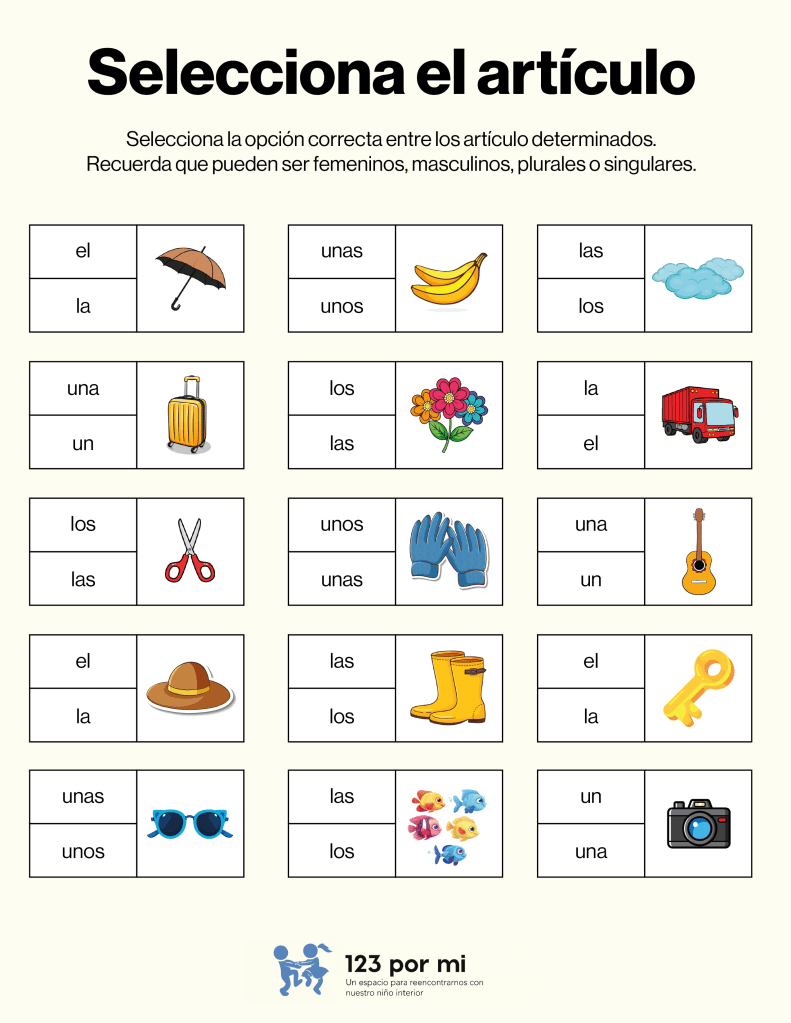
Selecciona el artículo

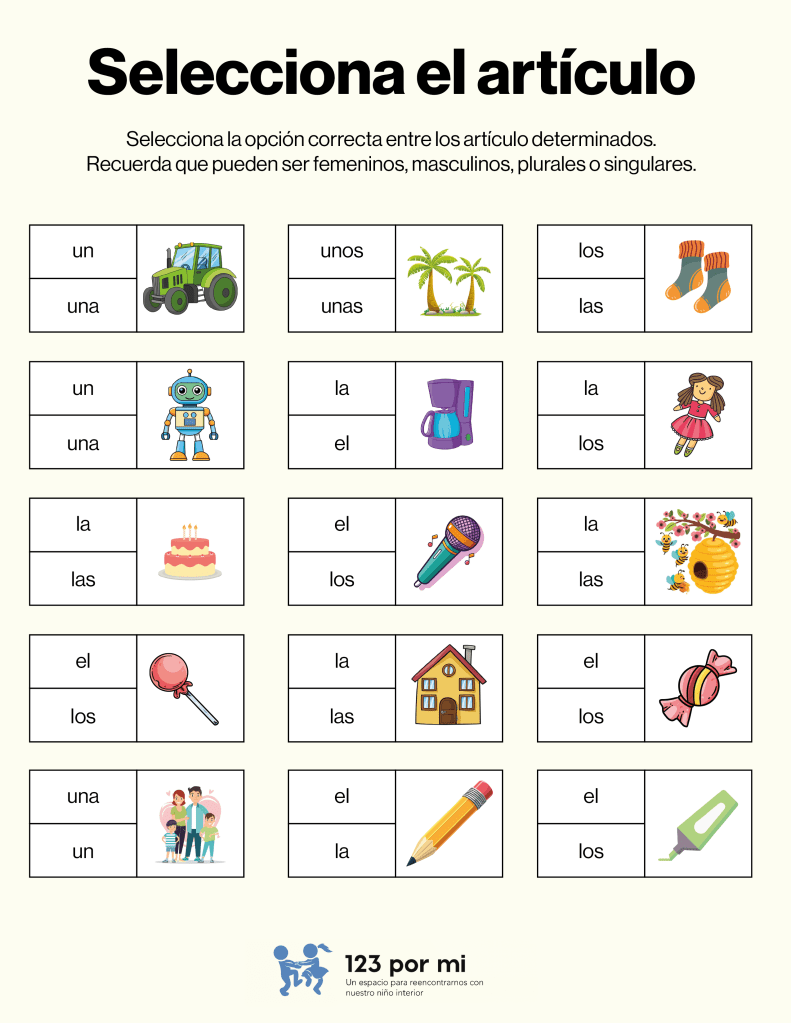
Selecciona el artículo
Hansel y Gretel: migajas, miedos y mucha astucia en el bosque de la infancia
Ah, Hansel y Gretel. Ese cuento que nos contaban de pequeños y que, si lo pensamos bien, es todo menos relajante. Dos niños abandonados en el bosque, una casa hecha de dulces, una bruja con problemas serios de límites personales y un horno como amenaza constante. Y sin embargo, generación tras generación seguimos leyéndolo. ¿Por qué? Porque debajo de esa superficie tan intensa, hay mucho más que un cuento para asustar: hay una aventura psicológica sobre la astucia, la resiliencia y el valor de los vínculos familiares.
Desde los ojos de un niño, Hansel y Gretel es pura tensión emocional y fascinación sensorial. Una historia donde el bosque representa el miedo a lo desconocido (ese lugar donde papá y mamá ya no están) y donde el peligro se disfraza de caramelo. Porque claro, ¿qué puede ser más tentador que una casita hecha de galleta y azúcar glas? Es como si alguien hubiera metido un parque de diversiones en medio del trauma.
Pero este cuento no solo despierta el hambre (emocional y literal), sino que activa muchos de los grandes temas del desarrollo infantil. Por un lado, la confianza en uno mismo: Hansel y Gretel tienen que encontrar el camino de regreso en un mundo que se siente hostil, tomar decisiones, equivocarse, volver a intentar. Por otro lado, la relación entre hermanos se vuelve el motor de la historia: se cuidan, se salvan, se apoyan, y eso en la infancia es oro puro. Los cuentos donde los adultos no cumplen su rol protector —como en este caso— permiten que los niños fantaseen con que, incluso en el abandono, pueden encontrar recursos propios para salir adelante.
Y hablando de adultos… qué decir de la bruja. Un personaje que en el imaginario infantil representa el peligro disfrazado de dulzura. Es como ese comercial de dulces que te promete felicidad pero no te dice que después viene la hiperactividad y el dolor de estómago. La bruja es controladora, manipuladora, y por supuesto, peligrosa. Pero lo maravilloso del cuento es que no tiene la última palabra: es vencida por la inteligencia y la valentía de Gretel, quien toma la iniciativa y demuestra que los niños también pueden ser protagonistas activos de su propio destino.
¿La moraleja? Que no todo lo que brilla (o en este caso, lo que se derrite con el calor) es seguro. Que crecer implica enfrentar miedos, y que, a veces, hay que dejar de seguir migajas ajenas y aprender a trazar nuestro propio camino, aunque sea entre árboles gigantes y amenazas disfrazadas.
Hansel y Gretel nos muestran que los niños tienen una capacidad impresionante de adaptarse, de sobrevivir emocionalmente y de cuidarse entre ellos. Es un cuento que, más allá de su estética sombría, nos permite conversar con los niños sobre el miedo, la confianza, el peligro y la importancia de la unión.
Así que sí, puede parecer un cuento oscuro, pero en el fondo es una metáfora poderosa del desarrollo emocional infantil. Y un recordatorio para nosotros, los adultos, de que muchas veces lo que los niños más necesitan no es un camino de migas… sino una mano que los acompañe en su aventura por el bosque.
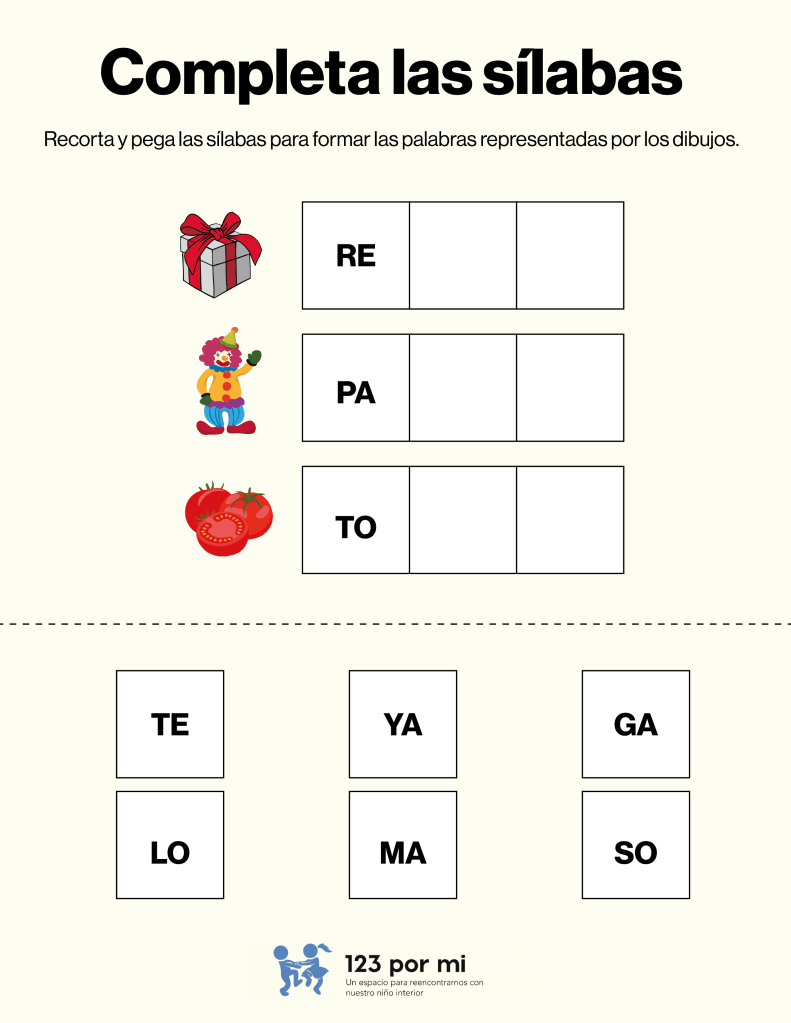
Completa las sílabas

Completa las sílabas

Scholastic: el gigante de la lectura infantil que transforma vidas y abre mundos
Cuando pensamos en libros para niños, hay un nombre que destaca por encima de todos: Scholastic. Esta editorial no solo es la más grande del mundo en la publicación y distribución de libros infantiles, sino que es un verdadero motor que impulsa la alfabetización, la educación y el amor por la lectura en millones de niños, padres y educadores alrededor del planeta.
Pero Scholastic es mucho más que una editorial que publica libros. Su misión va mucho más allá: buscan fomentar el crecimiento intelectual y personal de todos los niños, comenzando por la base fundamental que es la alfabetización. Para ellos, leer no es solo descifrar palabras, es cultivar la mente para que pueda desarrollarse a su máxima capacidad. Leer es conocer nuestra herencia cultural, es un viaje hacia la excelencia creativa en literatura, arte y aprendizaje, es abrir los ojos a los problemas y maravillas del mundo actual, y, por encima de todo, es construir una sociedad libre de prejuicios y odio, dedicada a la calidad de vida y el respeto en comunidad y nación.
Esta misión tan ambiciosa es la brújula que guía cada libro que publican y cada proyecto que impulsan. Scholastic quiere que cada niño y niña no solo aprenda a leer, sino que disfrute, que se emocione y que entienda el poder transformador de las historias. Por eso, sus libros están diseñados para enriquecer la vida de los pequeños lectores, sus familias y los maestros que los acompañan, explicando con claridad temas actuales y fomentando la apreciación literaria desde la infancia.
Uno de los grandes aciertos de Scholastic es su enorme y variado catálogo, pensado para cada etapa del crecimiento. Encontramos desde las novelas mágicas y épicas que despiertan la imaginación —como la saga de Harry Potter, que ha acompañado a generaciones enteras— hasta libros ilustrados, novelas gráficas y formatos interactivos que atrapan a los niños que prefieren lo visual o lo lúdico. Esta variedad permite que cada niño pueda encontrar su estilo, su voz, su forma de amar la lectura sin sentir que es una obligación.
Además, Scholastic no se queda en el mundo de la fantasía y la aventura. Han incorporado temas relevantes y actuales, presentados con sensibilidad y respeto, para que los niños puedan entender el mundo en que viven y desarrollar empatía por la diversidad cultural, social y emocional. De esta forma, los libros se vuelven herramientas para crecer como personas conscientes, responsables y abiertas.
Pero lo que realmente distingue a Scholastic es su compromiso con la comunidad educativa y familiar. No solo ofrecen libros, sino también recursos pedagógicos, guías y actividades para que padres, maestros y cuidadores puedan acompañar el proceso de lectura de manera activa, enriquecedora y divertida. Porque saben que leer juntos no solo enseña a leer, sino que fortalece vínculos, abre diálogos y crea recuerdos imborrables.
En definitiva, Scholastic es un gigante no solo por su tamaño, sino por su compromiso con la calidad, la diversidad y la educación integral de nuestros niños. Es la editorial que abre puertas a mundos mágicos y reales, que invita a soñar y a pensar, que ayuda a formar lectores críticos, creativos y con corazón.
Si estás buscando una editorial que entienda la importancia de la lectura para el desarrollo emocional, social y cognitivo de los niños, Scholastic es sin duda una de las mejores opciones. Explorar su catálogo es como descubrir un cofre lleno de tesoros que pueden acompañar a tus hijos en cada etapa de su crecimiento y aprendizaje.
 123 por mi