Dinamica grupal: Chispum

DESTINATARIOS

Personas de 8 años en adelante

TAMAÑO DEL GRUPO

40 participantes

OBJETIVOS

  • Permitir entre los participantes Interactuar y socializar
  • Estimular la atención
  • Rompe hielo entre el grupo
  • Atención

METODOLOGÍA:

Se forma un círculo y la persona que dirige se debe hacer en el centro del círculo para que señale al participante que debe agacharse, diciéndole “Chis” y los que están a la derecha e izquierda deben decirse “Pum” quien lo haga primero gana y el que pierda va saliendo del círculo, cuando queden dos participantes se ubican en posición de duelo, dándose la espalda cuando el facilitador debe decir todo el tiempo chis, chis, chis, chis y los participantes caminar cuando el facilitador diga pum deben voltearse rápidamente y el que lo haga primero y señale al otro queda y será el ganador.

Photo by samer daboul on Pexels.com

Group dynamic: Spider web

RECIPIENTS
Persons 15 years and older
GROUP SIZE
40 participants
MATERIALS: Large ball of wool of any color
OBJECTIVES

  • Allow participants to interact and socialize
  • Stimulate attention
  • Break ice between the group
  • Work vocation in individuals

METHODOLOGY:

The participants stand in a circle, all must introduce themselves with their name and life mission or vocation and must remain very attentive to their partner, the facilitator begins, grips the thread hard at one end, says their name and life mission and hands the ball to one of his companions without letting go of the thread, the partner must do the same, say the name and the mission or vocation in life and grab the wool tightly on one side and hand over the ball of wool and so on, each one does the same, the participants should be told not to let go of the yarn until they form a spider web, when all have introduced themselves and indicate the mission of life, but the dynamic does not end there, now the last person must say the name of their partner and what is the life mission and hand over the wool, in the same way he must say the name of his partner who follows and hands over the ball of wool and so on until everyone has presented his partner and the life mission, matter is that the wool is once again complete and rolled up.

In this way the ice is broken, we know the names of our companions and the life mission, if any participant forgets the name and the life mission of their companions, the group is encouraged so that they say it and remind their partner . At the end, a socialization of what has been learned must be done.

It is essential to recognize that a vocation is different from a life project.

Vocation: Inclination or interest that a person feels inside of her to dedicate herself to a certain way of life or a certain job.

Photo by Pixabay on Pexels.com

Dinamica grupal: La telaraña

DESTINATARIOS

Personas de 15 años en adelante

TAMAÑO DEL GRUPO

40 participantes

MATERIALES:  Ovillo grande de lana de cualquier color

OBJETIVOS

  • Permitir entre los participantes Interactuar y socializar
  • Estimular la atención
  • Rompe hielo entre el grupo
  • Trabajar vocación en los individuos

METODOLOGÍA:

Los participantes se hacen en un círculo de pie, todos deben presentarse con el nombre y la misión o vocación de vida y deben permanecer muy atentos a su compañero, inicia el facilitador agarra duro el hilo por una punta dice su nombre y misión de vida y entrega el ovillo a uno de sus compañeros sin soltar el hilo, el compañero debe hacer lo mismo decir el nombre y la misión o vocación en la vida y agarra la lana fuerte en un lado y entrega el ovillo de lana y así sucesivamente cada uno hace lo mismo, se le debe decir a los participantes que no vayan a soltar la lana hasta formar una telaraña, cuando todos se hayan presentado e indiquen la misión de vida, pero allí no termina la dinámica ahora la última persona debe decir el nombre de su compañero y cual es la misión de vida y entrega la lana, de igual forma este debe decir el nombre de su compañero que sigue y entrega el ovillo de lana y así sucesivamente hasta que todos hayan presentado a su compañero y la misión de vida, lo importante es que la lana nuevamente quede completa y enrollada.

De esta forma se rompe el hielo, conocemos los nombres de nuestros compañeros y la misión de vida, si algún participante olvida el nombre y la misión de vida de sus compañeros se le ánima al grupo para que ellos lo digan y le recuerden a su compañero.  Al final se debe hacer una socialización de los aprendido.

Es fundamental reconocer que vocación es diferente a proyecto de vida.

Vocación:  Inclinación o interés que una persona siente en su interior para dedicarse a una determinada forma de vida o un determinado trabajo.

Photo by Pixabay on Pexels.com

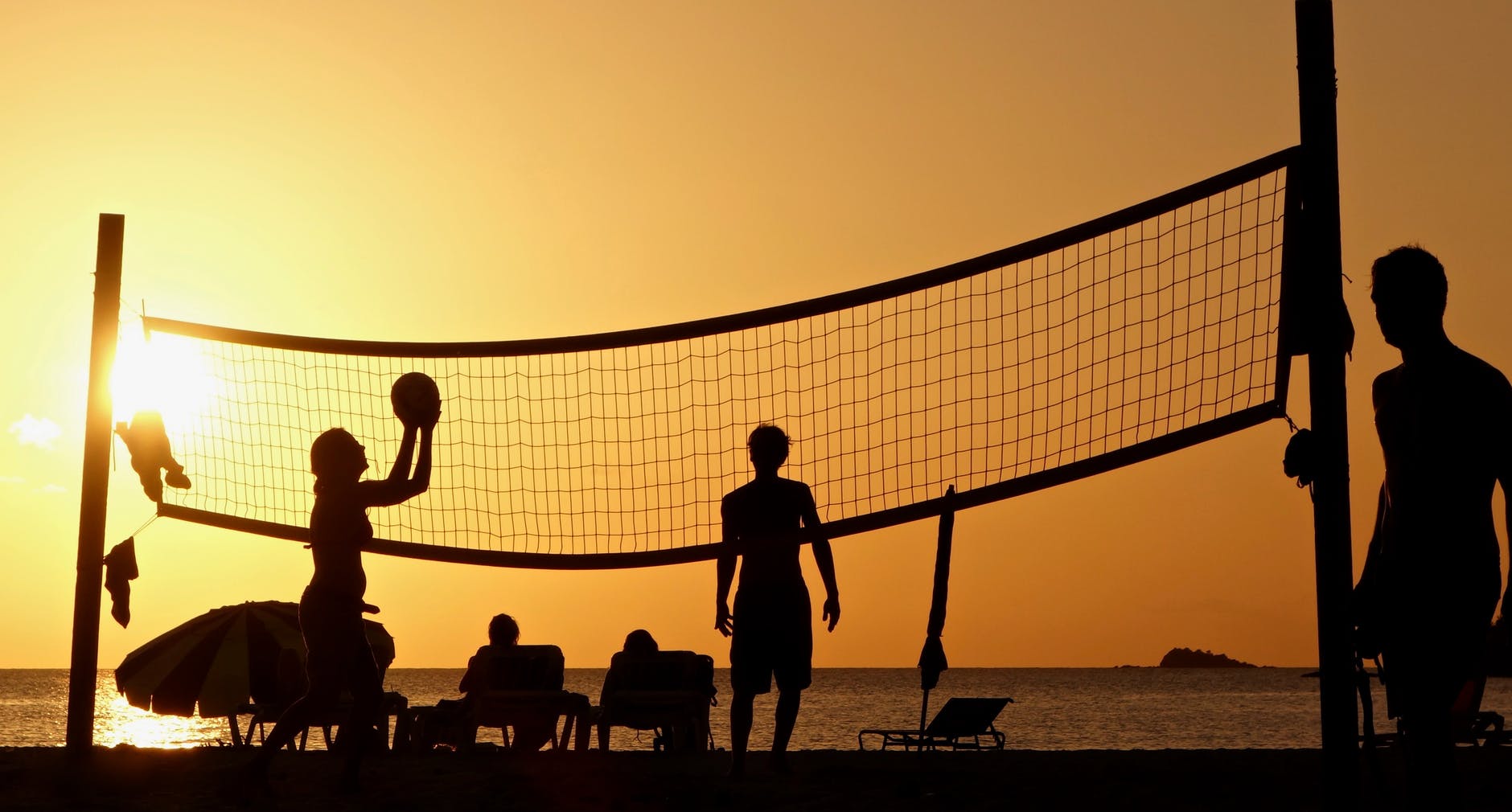
Group dynamic: Volleyball

RECIPIENTS
Persons 12 years and older
GROUP SIZE
20 participants
MATERIALS: Masking tape, red thread, medium plastic bags, sacks or tow, medium plastic ball.
OBJECTIVES

  • Allow participants to interact and socialize
  • Generate fun spaces
  • Stimulate attention
  • Capacity for teamwork.
  • Managing frustration tolerance.
  • Cooperation.

METHODOLOGY:
The lines of a small volleyball court demarcated with masking tape should be made in a large room, in the middle of the room a tall red thread is placed dividing the two courts and open plastic bags are hung on the thread and glued with staples, 10 volleyball participants are located on each side of the improvised court and they are asked to form groups of 2 and each group is given a sack or tow in each space, two teams are located opposite the sides, two teams behind on the sides and one team in the center and that is how the other team should be formed, people in groups of two must take the tows in such a way that they are going to play volleyball using, returning the ball with the tow, they cannot touch the ball with his hands, nor drop the ball. When they have completed 10 rounds to one side they change courts. The team that drops the ball the most loses.

Photo by Del Adams on Pexels.com

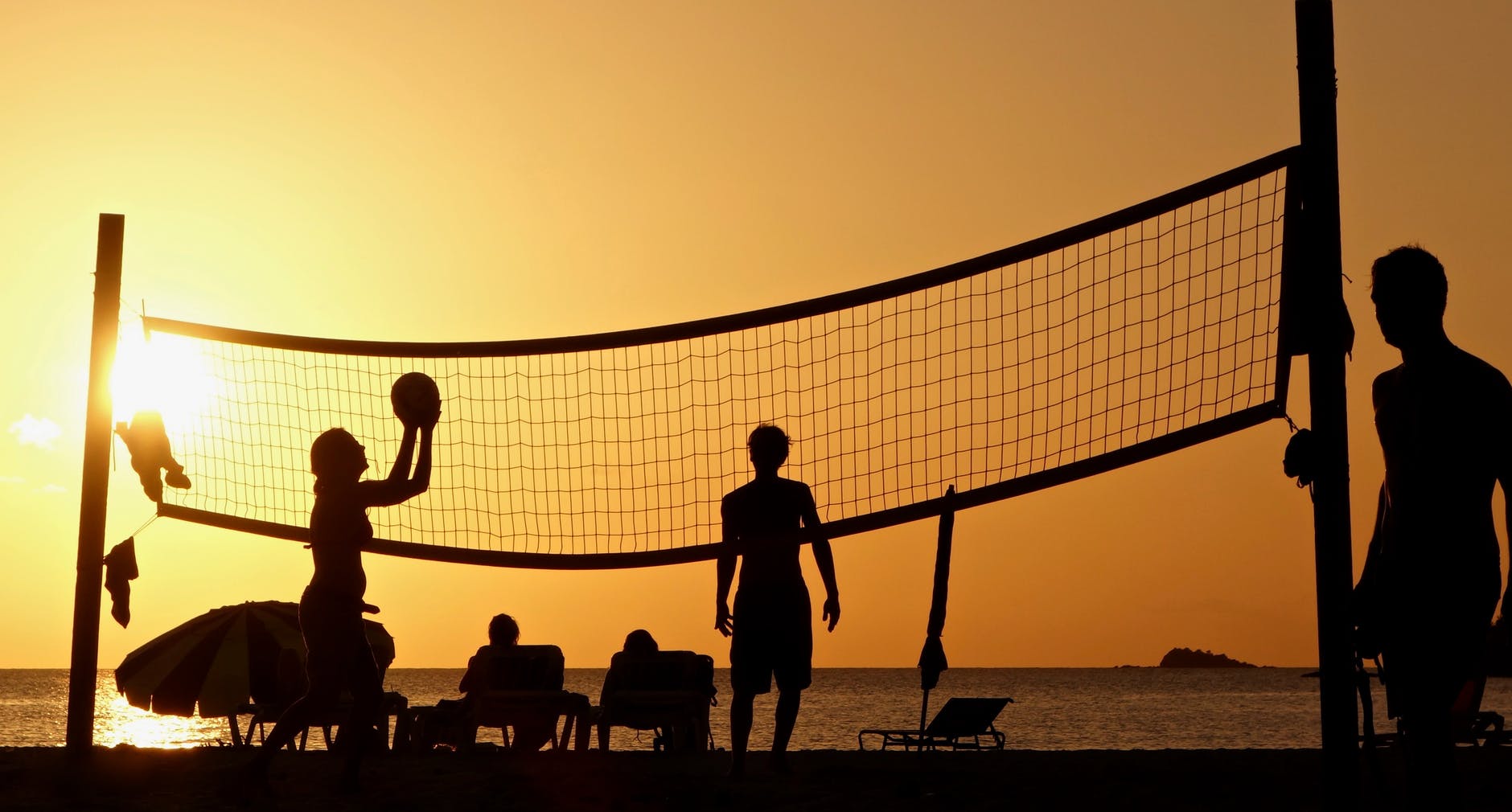
Dinamica grupal: Voleibol

DESTINATARIOS

Personas de 12 años en adelante

TAMAÑO DEL GRUPO

20 participantes

MATERIALES:  Cinta de enmascarar, hilo rojo, bolsas plásticas medianas, costales o estopas, pelota mediana de plástico.

OBJETIVOS

  • Permitir entre los participantes Interactuar y socializar
  • Generar espacios de diversión
  • Estimular la atención
  • Capacidad de trabajo en equipo.
  • Manejo de la tolerancia a la frustración.
  • Cooperación.

METODOLOGÍA:

Se debe hacer en un salón amplio las líneas de una pequeña cancha de voleibol demarcado con cinta de enmascarar, en la mitad del salón se pone un hilo rojo alto dividiendo las dos canchas y sobre el hilo se ponen a colgar bolsas plásticas abiertas y pegadas con grapas, se ubican 10 participantes de voleibol a cada lado de la cancha improvisada y se les pide que se hagan de a grupos de 2 y se le entrega a cada grupo un costal o estopa en cada espacio se ubican dos equipos enfrente a los laterales, dos equipos atrás en los laterales y un equipo en el centro y así se debe formar el otro equipo, las personas en grupos de dos deben coger las estopas de tal forma que van a jugar vóleibol usando, devolviendo la pelota con la estopa, no pueden tocar la pelota con las manos, ni dejar caer la pelota.   Cuando hayan completado 10 rondas a un lado hacen cambio de cancha.  El equipo que más deje caer la pelota pierde.

Photo by Del Adams on Pexels.com

Group dynamic: Tic, tac, toe

RECIPIENTS
Persons 8 years and older
GROUP SIZE
No limit of participants
MATERIALS:
Thick masking tape, 3/8 cardstock, colors, pen, sheets of paper.
OBJECTIVES

  • Allow participants to interact and socialize
  • Generate fun spaces
  • Stimulate attention
  • Capacity for teamwork.
  • Managing frustration tolerance.
  • Cooperation.

METHODOLOGY:

A 3×3 grid must be made with thick masking tape, half of the participants are put on a bib of one color (red) and the other half a bib of another color (blue) and two participants are chosen and each participant he tells his teammates to be attentive to locate themselves inside the triqui, the teammates can work on team strategies and also indicate to the one who is directing if it is the best move or if he should make another move and be attentive that they are not go do tic-tac-toe, wins the team that has done the most number of tic, tac, toes.

Photo by Pixabay on Pexels.com

Dinamica grupal: Triqui humano

DESTINATARIOS

Personas de 8 años en adelante

TAMAÑO DEL GRUPO

Sin límite de participantes

MATERIALES: 

Cinta de enmascarar gruesa, cartulina de 3/8, colores, lapicero, hojas de papel.

OBJETIVOS

  • Permitir entre los participantes Interactuar y socializar
  • Generar espacios de diversión
  • Estimular la atención
  • Capacidad de trabajo en equipo.
  • Manejo de la tolerancia a la frustración.
  • Cooperación.

METODOLOGÍA:

Se debe hacer una cuadricula de 3x 3 con cinta de enmascarar gruesa,  a los participantes la mitad se les pone un peto de un color (rojo) y la otra mitad un peto de otro color (azul) y se escogen dos participantes y cada participante le dice a sus compañeros de equipo que estén atentos para ubicarse dentro del triqui, los compañeros de equipo pueden trabajar en estrategias de equipo y también indicarle a quien esta dirigiendo si es la mejor jugada o debe hacer otro movimiento y estar atentos a que no les vayan a hacer triqui, gana el equipo que más número de triquis haya hecho.

Photo by Pixabay on Pexels.com

Group dynamic: Who wants to be a millionaire

RECIPIENTS
Persons 8 years and older
GROUP SIZE
No limit of participants
MATERIALS:
3/8 card stock, sheets of paper, pen.
OBJECTIVES

  • Allow participants to interact and socialize
  • Generate fun spaces
  • Reinforce learning of the different subjects
  • Stimulate attention
  • Capacity for teamwork.
  • Managing frustration tolerance.
  • Cooperation.

METHODOLOGY:
It is necessary that there be several facilitators of the activity, 4 or 5 people are placed at different points, each one carrying a sign that says: “A, B, C, D and E”; it can also be “1, 2, 3, 4 and 5” or it can also say on the posters “Mathematics, Spanish, natural sciences, sciences, social sciences, Spanish”; they can do it with “sports, general culture, music, technology, comics”, it really is a game that allows you to change it according to your needs.
Questions focused on the topics you want to work on are asked and the question is read to the children and they are told that they are multiple-choice, when the questions are asked the answer is «A, B, C, D or E” point to the facilitators with the billboards and tell them where they think the correct answer is, they can go there. The losing participants leave the group until there is a winner who wants to be a millionaire.
The questions must be in accordance with the age and school grade of the boys and girls who participate.

Photo by Vanessa Loring on Pexels.com

Dinamica grupal: Quién quiere ser millonario

DESTINATARIOS

Personas de 8 años en adelante

TAMAÑO DEL GRUPO

Sin límite de participantes

MATERIALES:

Cartulina de 3/8, hojas de papel, lapicero.

OBJETIVOS

  • Permitir entre los participantes Interactuar y socializar
  • Generar espacios de diversión
  • Reforzar aprendizajes de las diferentes asignaturas
  • Estimular la atención
  • Capacidad de trabajo en equipo.
  • Manejo de la tolerancia a la frustración.
  • Cooperación.

METODOLOGÍA:

Se hace necesario que hayan varios facilitadores de la actividad se ponen 4 ó 5 personas en puntos diferentes cada una cargando un cartel que diga:  “A, B, C, D y E”;  también puede ser “1, 2, 3, 4 y 5” o también puede decir en los carteles “Matemáticas, español, ciencias naturales, ciencias, sociales, español”; pueden hacerlo con “deportes, cultura general, música, tecnología, comics”, realmente es un juego que permite cambiarlo de acuerdo a sus necesidades.

Se hacen preguntas enfocadas a los temas que ustedes quieran trabajar y se les lee a los niños la pregunta y se les dice que son de respuesta múltiple, cuando se hagan las pregunta se les dice la respuesta es “A, B, C, D o E” se señalan a los facilitadores con las carteleras y se les dice donde crean que es la respuesta correcta se pueden dirigir hacia allá.  Los participantes perdedores van saliendo del grupo hasta que haya un ganador de quien quiere ser millonario. 

Las preguntas deben ser acordes a la edad y grado escolar de los niños y niñas que participen.

Photo by Vanessa Loring on Pexels.com

Group dynamic: Centipede

RECIPIENTS
Persons 10 years and older
GROUP SIZE
No limit of participants
MATERIALS:
Masking tape, sheets of paper and pen.
OBJECTIVES

  • Allow participants to interact and socialize
  • Generate fun spaces
  • Stimulate attention
  • Capacity for teamwork.
  • Managing frustration tolerance.
  • Cooperation.

METHODOLOGY:
Two teams are formed, the participants must all sit in single file, with their legs in front of each other, the partner in front of you must grab the ankles with your hands and you must grab the partner behind the ankles and so on until everyone is grabbing the ankles of the companions with their hands, only the one who is in the last place in the row will not have anyone to grab by the ankles but must support his hands on the ground to have strength and ability to move. Everyone must be like a centipede, a tape must be put on them to indicate the exit to the two teams, on the count of three they must leave and must move without letting go to the finish line, to see which team arrives first, the participant of the team that lets go they must immediately return to the starting line and begin.

Photo by Taryn Elliott on Pexels.com