
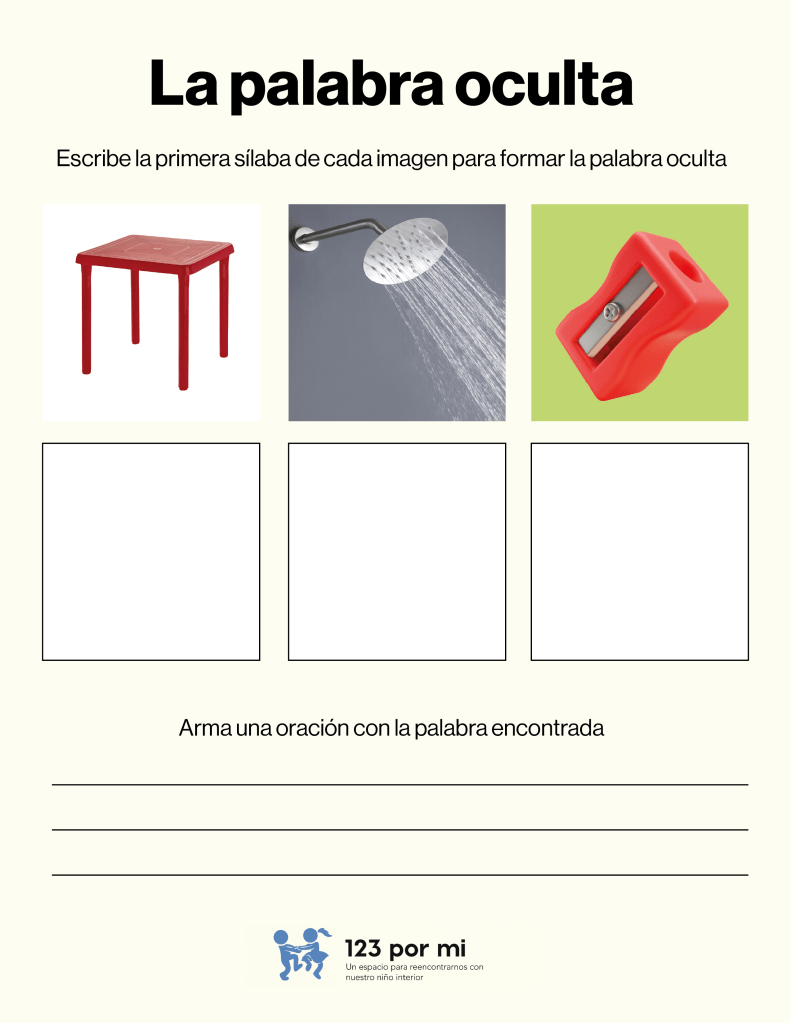
Encuentra la palabra oculta

Encuentra la palabra oculta

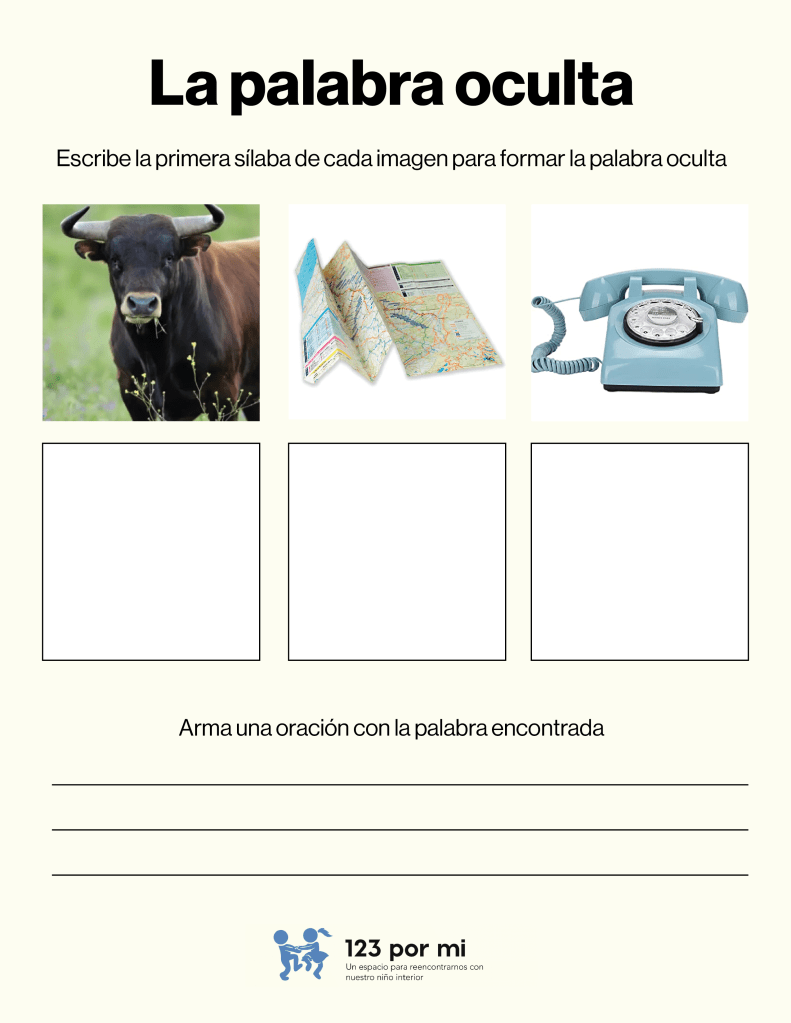
Encuentra la palabra oculta
Encuentra la palabra oculta

Encuentra la palabra oculta
What if your child is fire and you are water? What Elemental can teach us about growing up different.
Pixar did it again. It turned a city into a metaphor, a story of impossible love into a bridge, and a girl made of fire into a mirror for the many children who feel that, no matter how hard they try, they never quite fit in. Elemental isn’t just a story about differences; it’s a film about identity, expectations, migration, prejudice… and yes, also about love.
But this time, love isn’t just romantic (although Wade and Ember give us a delightful chemistry beyond all physical logic). It’s also the love between father and daughter, between generations, between roots and wings. And when a child watches this film, they’re not seeing fire and water. They’re seeing what happens when you’re told you can’t be who you are, when they ask you not to feel so strongly, or when loyalty to your family clashes with the life you want to build.
Ember is impulsive, strong, intense, and brave. But she’s also quick to anger, she explodes, and she’s afraid of disappointing. She can’t enter certain places, she’s constantly required to be careful, and although she has talent, passion, and a giant heart, the world doesn’t seem made for her. Does that sound familiar? Many children—especially those with big emotions, with energy that doesn’t fit in the classroom, with anger that no one has taught them to name—see in Ember a reflection of themselves.
And Wade, for his part, is pure emotion. He cries, he’s moved, he opens up. He represents that new, free, gentle masculinity that so many children need to see to know that there’s nothing wrong with being sensitive, with showing tenderness, with crying without guilt.
Ember’s parents aren’t just secondary characters. They’re the story of many families who arrive in a new place with big dreams, strong accents, and a baggage full of cultural pride. They are parents who love so much that sometimes they unintentionally push too hard. They gave everything for their children, and who expect—with all good intentions—that those children will return the sacrifice by following a plan they already outlined. From a developmental psychology perspective, this touches on deep threads of attachment, belonging, and identity construction in diverse contexts. Who am I when my roots are one way, but my wings want to fly another?
Beyond the visual, the film speaks to children with questions they can’t always say out loud. What if I’m different? What if I don’t want to follow the path my parents dreamed for me? What if I feel too much, get too angry, or get too emotional? Is there a place for me in the world if I don’t know how to «calm down»?
We accompany. We name. We don’t try to put out the fire or dry the tears. We let our children also teach us who they are, even if that disrupts our ideas about what they «should be.» Because sometimes, the bravest thing a parent can do is allow their child to not look like them.
¿Y si tu hijo es fuego y tú eres agua? Lo que Elemental puede enseñarnos sobre crecer siendo distintos
Pixar lo volvió a hacer. Convirtió una ciudad en metáfora, una historia de amor imposible en puente, y una chica hecha de fuego en espejo de muchos niños y niñas que sienten que, por más que lo intenten, nunca encajan del todo. Elemental no es solo una historia sobre diferencias, es una película sobre identidad, expectativas, migración, prejuicio… y sí, también sobre el amor.
Pero esta vez el amor no es solo el romántico (aunque Wade y Ember nos regalan una química deliciosa y fuera de toda lógica física). Es también el amor entre padre e hija, entre generaciones, entre raíces y alas. Y cuando un niño ve esta película, no está viendo fuego y agua. Está viendo lo que pasa cuando te dicen que no puedes ser quien eres, cuando te piden que no sientas tan fuerte, o cuando la lealtad a tu familia choca con la vida que quieres construir.
Ember es impulsiva, fuerte, intensa, valiente. Pero también se enoja rápido, explota, y teme decepcionar. No puede entrar a ciertos lugares, se le exige cuidado todo el tiempo, y aunque tiene talento, pasión y un corazón gigante, el mundo parece no estar hecho para ella. ¿Te suena? Muchos niños —especialmente aquellos con emociones grandes, con energía que no cabe en las aulas, con rabia que nadie les ha enseñado a nombrar— ven en Ember un reflejo de sí mismos.
Y Wade, por su parte, es emoción pura. Llora, se conmueve, se abre. Representa esa masculinidad nueva, libre, suave, que tantos niños necesitan ver para saber que no hay nada mal en ser sensibles, en mostrar ternura, en llorar sin culpa.
Los papás de Ember no son solo personajes secundarios. Son la historia de muchas familias que llegan a un nuevo lugar con sueños grandes, acentos marcados y un equipaje lleno de orgullo cultural. Son padres que aman tanto, que a veces sin querer aprietan demasiado. Que lo dieron todo por sus hijos, y que esperan —con toda la buena intención— que esos hijos devuelvan el sacrificio siguiendo un plan que ellos ya trazaron. Desde la psicología del desarrollo, esto toca fibras profundas del apego, del sentido de pertenencia y de la construcción de la identidad en contextos diversos. ¿Quién soy cuando mis raíces van por un lado, pero mis alas quieren volar hacia otro?
Más allá de lo visual, la película le habla a los niños con preguntas que no siempre pueden decir en voz alta. ¿Y si soy diferente? ¿Y si no quiero seguir el camino que mis papás soñaron para mí? ¿Y si siento demasiado, me enojo demasiado, me emociono demasiado? ¿Hay un lugar para mí en el mundo si no sé cómo “calmarme”?
Acompañamos. Nombramos. No tratamos de apagar el fuego ni de secar las lágrimas. Dejamos que nuestros hijos nos enseñen también quiénes son, incluso si eso desordena nuestras ideas sobre lo que “deberían ser”. Porque a veces, lo más valiente que puede hacer un padre o una madre es permitir que su hijo no se parezca a ellos.

 123 por mi

