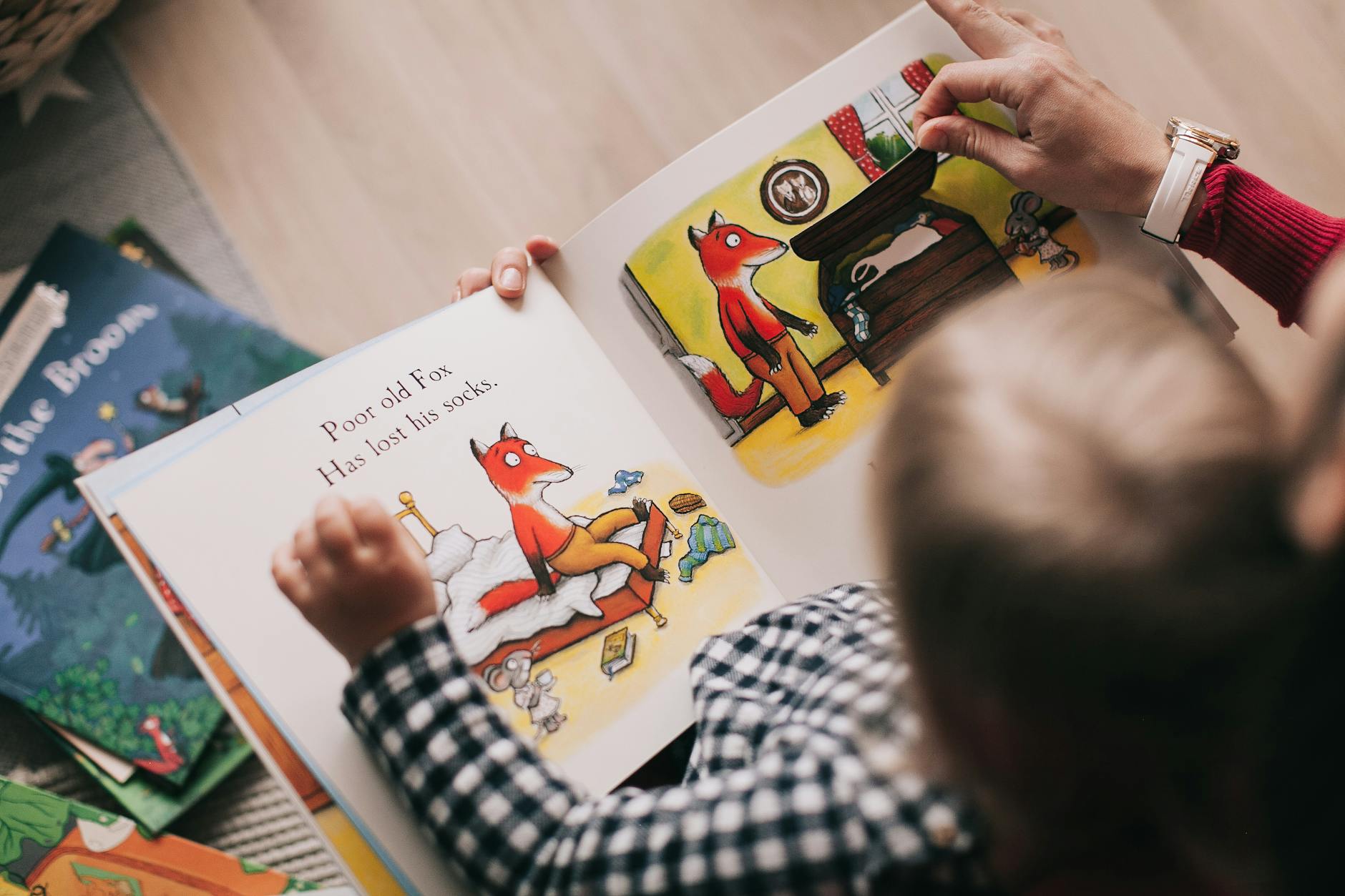
Dyslexia is a specific learning disorder that affects a person’s ability to read fluently and accurately. Although it is commonly associated with reading difficulties, it can also impact writing, spelling, and in some cases, language comprehension. This disorder affects people of all ages and intelligence levels, but with the right support, individuals with dyslexia can learn to manage their challenges and reach their full potential.
What is Dyslexia and How Does It Manifest
Dyslexia is characterized by persistent and specific difficulties in processing written language, despite average intelligence and adequate educational opportunities. Some common signs that may indicate the presence of dyslexia include:
- Problems recognizing and decoding words: Difficulty associating letters with sounds and recognizing words by sight.
- Slow and labored reading: Reading slowly and frequently omitting, adding, or substituting words when reading aloud.
- Spelling difficulties: Frequent errors when writing words and problems organizing ideas in writing.
- Difficulty understanding written instructions: Problems following written directions or remembering recently read information.
- Underachievement in academic performance: Despite effort, reading and writing performance is below the level expected for age and educational level.
How to Identify Dyslexia?
Early identification of dyslexia is critical to providing effective interventions. Parents and teachers can look for the following indicators:
- Family history: Dyslexia tends to have a genetic component, so it is important to consider a family history of learning difficulties.
- Educational evaluations: Formal evaluations by educational psychologists or other health professionals may include specific reading, writing, and language processing tests to diagnose dyslexia.
- Observations in the educational setting: Teachers may notice consistent patterns of reading and writing difficulties, despite appropriate educational interventions.
It is crucial to remember that dyslexia is not related to intelligence. People with dyslexia may have exceptional abilities in areas such as creativity, problem-solving, and visual-spatial skills. However, they may need additional support and specific strategies to develop their reading and writing skills.
 123 por mi